
Home / Dryer moisture sensor
Dryer Moisture Sensor: Cleaning and Replacement
Two small metal bars decide when a sensor-dry cycle ends. When they get coated, clothes come out damp or the dryer runs and runs.
Last reviewed October 11, 2026. Written and reviewed by the Plano Dryer Pros team. How we create content
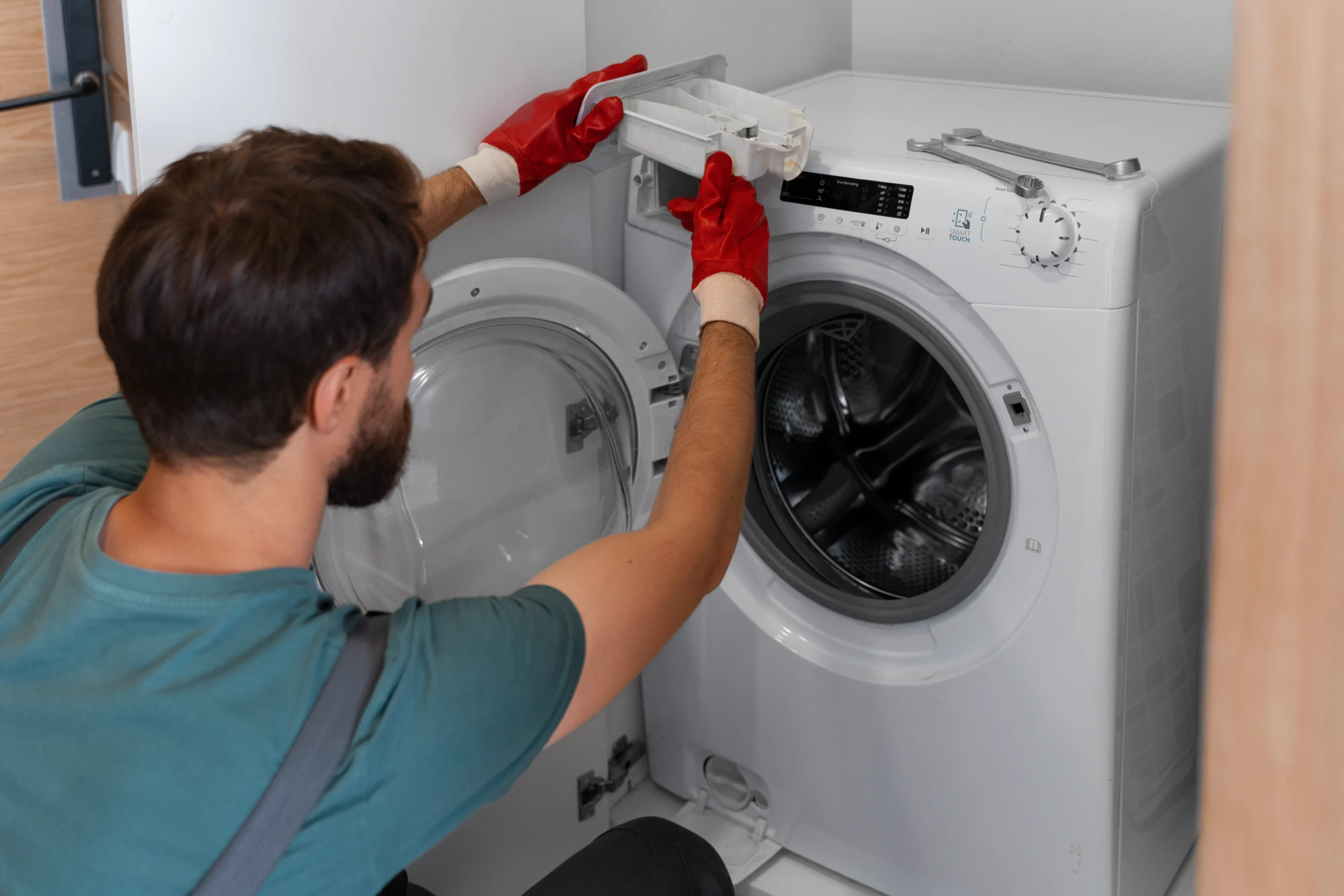
A dryer moisture sensor is a pair of metal bars inside the drum that detect wet clothes and tell the dryer when to stop. A film of fabric softener or lint on the bars makes the dryer end the cycle early with damp clothes, or run too long. Cleaning the bars is free, and replacing them is a small repair.
Key takeaways
- The sensor is two metal bars inside the drum that sense moisture in the clothes.
- A coating of softener or lint on the bars is the most common cause of early cycle ends.
- Cleaning the bars is free: unplug the dryer and wipe them with rubbing alcohol on a cloth.
- Replace the bars if they are worn, pitted or still misbehave after cleaning.
What a moisture sensor does
On sensor-dry cycles, damp clothes touching both bars complete a small electrical circuit. As the clothes dry, the signal weakens, and the controls end the cycle. Dryers without a sensor use a timer or a temperature reading instead, so not every dryer has the bars.
What does a dryer moisture sensor do?
The moisture sensor is usually two metal bars inside the drum. Wet clothes touching both bars carry a tiny electrical signal, which fades as the clothes dry. The controls read that signal to decide when to end the cycle, so a bad or dirty sensor can end it too soon or let it run too long.
Signs the sensor is dirty or failing
| What you notice | Likely cause |
|---|---|
| Cycle ends early and clothes are damp | Sensor bars coated with softener or lint, so the dryer thinks the clothes are dry |
| Dryer runs far too long on a sensor cycle | Sensor not reading, or a failed sensor circuit |
| Timed dry works but sensor cycles do not | A dirty or failed sensor, not the heater |
| Cycle ends in a few minutes on any load | Sensor bars shorted by a film or by damage |
| No heat as well | A heating fault, not the sensor: see the not-heating guide |
Why does my dryer stop early and leave clothes damp?
A film of fabric softener or lint on the sensor bars is the usual reason: the coating conducts a signal, so the dryer reads damp clothes as dry and ends the cycle. Clean the bars, and if it keeps happening, test the sensor. Check the lint screen and vent too, because poor airflow also leaves clothes damp.
Why does my dryer run too long on sensor cycles?
The sensor may not be reading at all, because the bars are worn or the wiring to them has failed, so the dryer cannot tell the clothes are dry. Restricted airflow can also make cycles long. Try a timed dry as a workaround, and have the sensor and the vent checked.
How to clean the sensor bars
- Unplug the dryer.
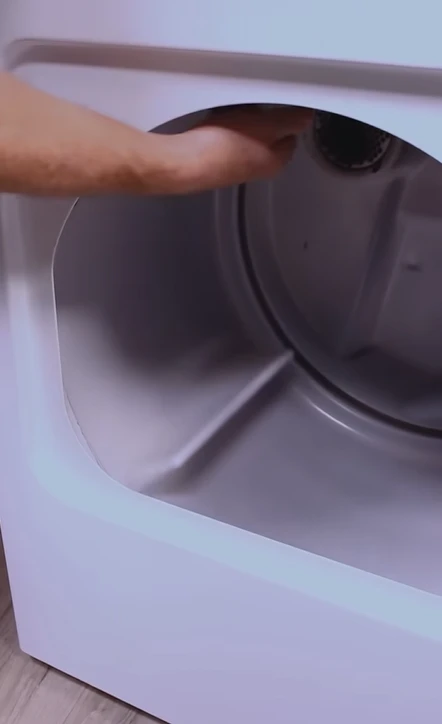
- Open the door and find the two metal bars, usually on the inside of the drum opening or at the back of the drum.
- Wipe them with a soft cloth dampened with rubbing alcohol until the film is gone.
- Let them dry fully, then run a short cycle to test.
How do I clean a dryer moisture sensor?
Unplug the dryer, find the two metal bars inside the drum, and wipe them with a soft cloth dampened with rubbing alcohol until the film is gone. Avoid abrasive pads that scratch the metal. Let them dry, then test with a short cycle. If it still misbehaves, the sensor may need testing.
How often should I clean the moisture sensor?
Every month or two is a sensible habit if you use fabric softener or dryer sheets, which leave the film behind, and a few times a year otherwise. A quick wipe with rubbing alcohol is enough. Cleaning the lint screen every load and washing it now and then helps too.
Is it the sensor or the vent?
Two different faults can look alike: a dryer that ends the cycle too early, and one that needs two cycles. They have different causes.
| What you see | Usually points to | First step |
|---|---|---|
| The cycle ends early and the clothes are still damp | A dirty or failing moisture sensor | Wipe the sensor bars with rubbing alcohol, with the dryer unplugged |
| The cycle runs very long, but the clothes are dry long before it ends | A sensor coated with film that cannot sense dryness | Clean the bars, and compare with a timed cycle |
| It needs two runs, even on a timed cycle | Restricted airflow, not the sensor | Run the 10-minute vent test: vent safety guide |
| Timed cycles dry fine, but auto cycles do not | The sensor | Clean it, and have it tested if the problem continues |
How can I tell if my dryer sensor is the problem?
Compare auto cycles with a timed cycle. If a timed cycle dries the clothes properly but auto cycles end early or run long, the sensor is the likely cause. If a timed cycle also needs two runs, the vent is restricted. Clean the sensor bars first, with the dryer unplugged.
When to replace the sensor
Replace the bars if they are worn through, pitted or corroded, or if cleaning and a test of the wiring do not fix the problem. A technician checks the sensor, its wiring and the control board, because a board fault can look like a bad sensor. See the control board guide.
Can I use my dryer if the moisture sensor is bad?
Yes, in most cases. Use a timed dry cycle instead, and check the clothes at the end, since the dryer will not judge dryness for you. The sensor is not a safety part. Still, a cycle that ends early or runs very long may hide a vent problem, so check the vent.
What is the difference between a moisture sensor and a thermostat?
The moisture sensor reads how wet the clothes are and decides when to end the cycle, while a thermostat reads air temperature and switches the heat. They fail differently: a bad sensor gives wrong cycle lengths, and a bad thermostat gives wrong heat. See thermostats: high-limit versus cycling.
What it costs in Plano
Cleaning the sensor bars costs nothing. Replacing them is usually a small repair, but the price depends on the brand, the model and whether the wiring or board is involved, so there is no single figure to quote. The rest of the cycle problem is often the vent: a cleared vent typically costs about $100 to $200.
| Repair | Typical cost (parts and labor) |
|---|---|
| Vent path cleared, airflow restored | $100 to $200 |
| Door switch or start switch | $150 to $250 |
| Thermal fuse or thermostat | $150 to $275 |
Typical Plano-area estimates, not a quote. See the dryer repair cost guide.
Sources
- Your dryer’s installation and service manual, which governs over any general guidance on this page
- Plano Dryer Pros estimates of typical local repair pricing, checked against national consumer cost guides for context. See our Editorial Policy.
Frequently asked questions
Do all dryers have a moisture sensor?
No. Many newer dryers have one, and older or simpler models rely on a timer or a temperature reading. Your manual says whether your cycles are sensor-based, and the model number helps a technician find the right part.
Can dryer sheets damage the sensor?
They do not damage it, but the waxy film they and liquid softener leave can coat the bars and make the sensor misread. Wiping the bars regularly prevents it, and skipping sheets in the dryer helps.
Will cleaning the sensor fix a dryer that ends early?
Often, yes. A coated sensor is the most common cause of early cycle ends, and a wipe with rubbing alcohol is free. If it comes back quickly or never improves, the sensor or its wiring should be tested.
Why do my clothes feel damp when the cycle says done?
The sensor may be misreading, or airflow may be restricted so moisture stays in the clothes. Clean the sensor bars and run the ten-minute vent test. A vent that is blocked leaves clothes damp whatever the sensor says.
Is the moisture sensor a safety part?
No. It controls when the cycle ends, not whether it is safe. The safety parts are the thermal fuse, thermostats and door switch. A sensor fault wastes time and energy, but it does not remove the dryer’s protection.
Where are the sensor bars on my dryer?
Usually inside the drum, on the lower inside of the door opening or on the back of the drum, as two metal strips or bars. Your manual shows their position. If you cannot find them, a photo of the inside of the drum helps a technician.
Why does my dryer say it is done but the clothes are wet?
Often a coated moisture sensor ending the cycle early. Wipe the sensor bars with rubbing alcohol, with the dryer unplugged, and try a timed cycle to compare.
Get your dryer working again
Call and a person will answer, or request a repair online. You get the full price in writing before any work starts.