
Home / Dryer thermostats: high-limit vs cycling
Dryer Thermostats: High-Limit vs Cycling
Most dryers have two thermostats and a fuse that all watch the heat. Here is what each one does and how each failure looks.
Last reviewed October 1, 2026. Written and reviewed by the Plano Dryer Pros team. How we create content
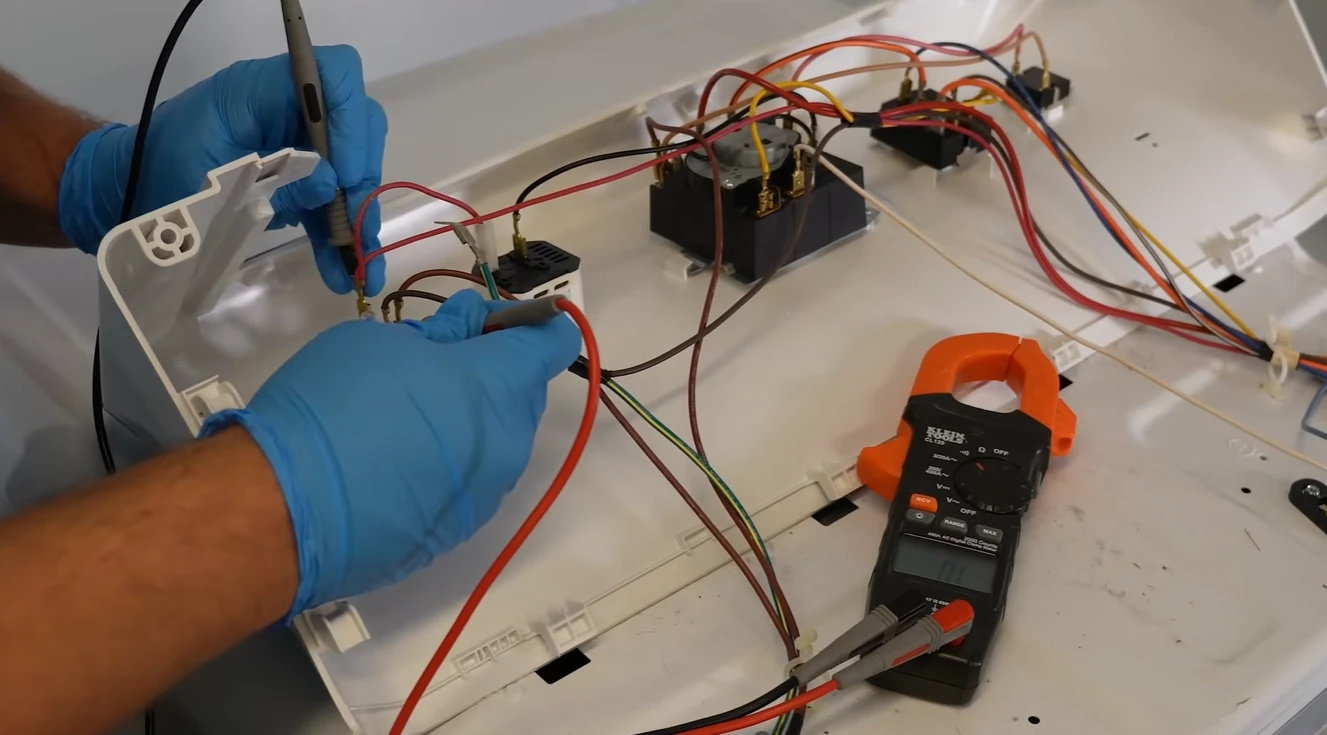
Most dryers have a cycling thermostat that switches the heat on and off to hold the temperature, and a high-limit thermostat that cuts the heat if the dryer overheats. A thermal fuse sits behind both as a one-time backstop. A failed thermostat gives wrong or no heat, and a repair typically costs about $150 to $275 in Plano.
Key takeaways
- The cycling thermostat holds the temperature, and the high-limit thermostat is the safety stop.
- Both reset on their own, and the thermal fuse does not.
- A failed cycling thermostat gives too much, too little or no heat.
- A tripping high-limit thermostat usually points to a blocked vent, so fix the airflow too.
The heat-control parts side by side
| Part | What it does | Resets by itself? | What failure looks like |
|---|---|---|---|
| Cycling thermostat | Switches the heater on and off to hold the set temperature | Yes | Too hot, too cool or no heat |
| High-limit thermostat | Cuts the heat if the dryer gets too hot, a safety stop | Yes, once it cools | Heat cuts out, or no heat |
| Thermal fuse | One-time backstop that cuts power at a higher temperature | No: replace it | No heat, or the dryer will not start |
| Thermal limiter or cutoff | The same job as the fuse on some brands, named differently | Usually no | No heat or no start |
What is the difference between the cycling and high-limit thermostats?
The cycling thermostat is the everyday regulator: it turns the heater on and off to hold the temperature for the cycle. The high-limit thermostat is a safety stop that opens only if the dryer gets too hot. Both reset when they cool, which is different from the thermal fuse, which blows once and must be replaced.
How each failure looks
| What you notice | Likely part |
|---|---|
| Clothes come out scorching hot | A cycling thermostat stuck closed |
| Never gets properly hot, or no heat | A cycling thermostat stuck open, or a tripped high-limit |
| Heat cuts out partway through, then returns after cooling | A high-limit thermostat tripping from overheating |
| No heat and a dryer that will not restart | A blown thermal fuse |
| Heat is intermittent | A thermostat opening and closing, or a loose connection |
How do I know if my dryer thermostat is bad?
Clothes that come out too hot, too cool or damp with no heat point to the thermostats, as does heat that cuts out and returns after the dryer cools. A technician tests each thermostat for continuity with a meter. A thermostat that tests open when cool is faulty, and the vent is checked too.
Why does my dryer overheat?
Restricted airflow is the usual cause: a blocked vent traps heat, and the high-limit thermostat trips to protect the dryer. A cycling thermostat stuck closed can also let the heat run too high. Clear the vent first, then have the thermostats tested. A dryer that overheats is a fire risk, so do not keep using it.
How the thermostats are tested
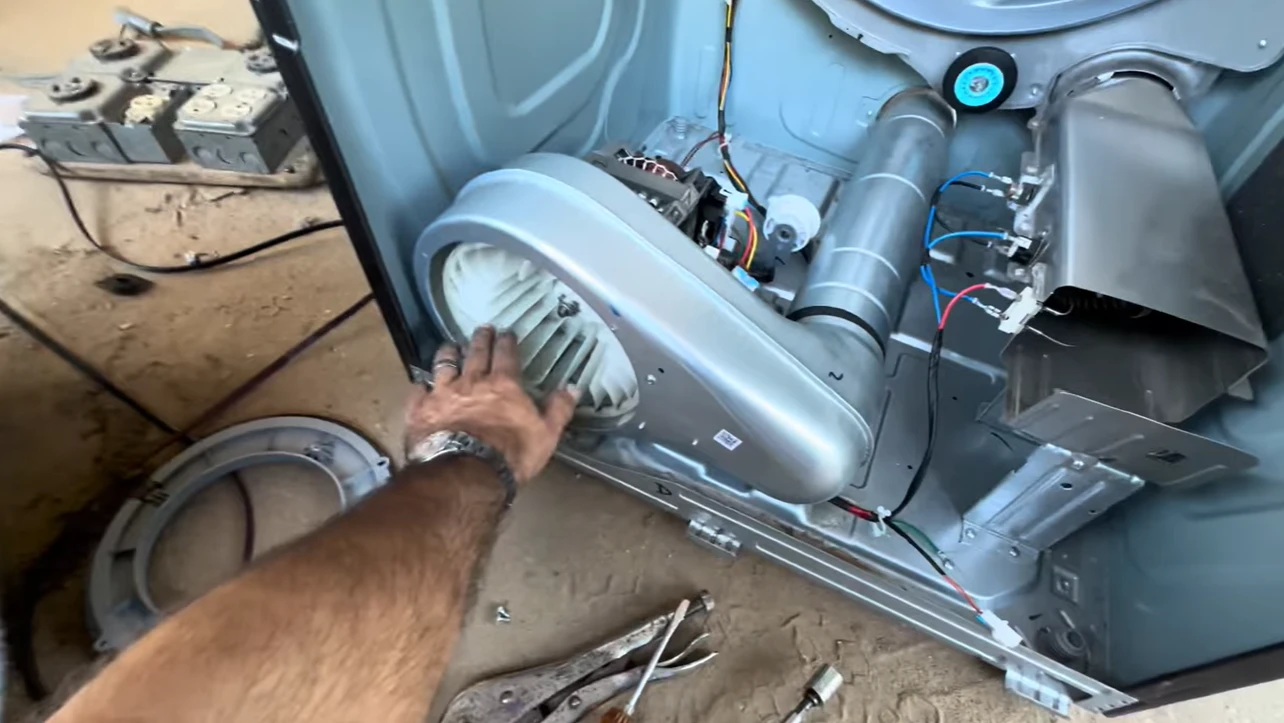
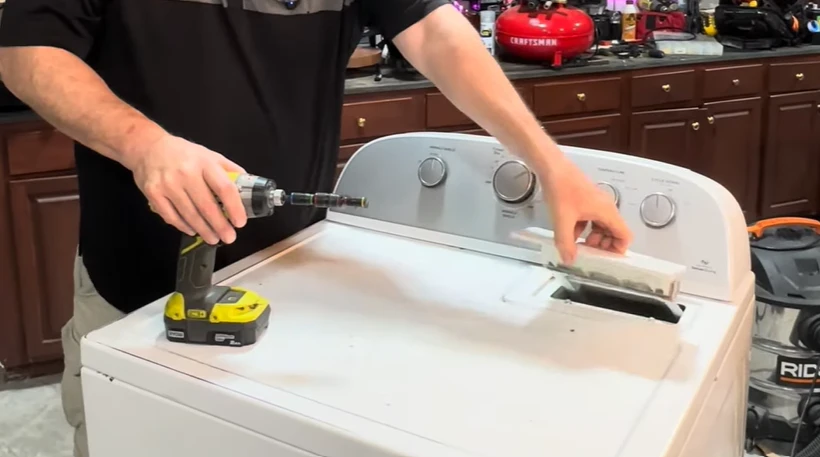
- The dryer is unplugged, and the thermostats are located on the heater or blower housing.
- Each thermostat’s wires are disconnected so it is tested on its own.
- A meter checks continuity: at room temperature a good thermostat normally shows continuity.
- The thermal fuse and the heating element or igniter circuit are tested too.
- The vent is checked, because a blocked vent is what usually trips the safety parts.
How do I test a dryer thermostat?
Unplug the dryer, disconnect the thermostat’s wires and check continuity with a meter. At room temperature a thermostat in good condition normally shows continuity, and a faulty one reads open. Because the location and the type differ by model, use your manual or have a technician do it, since the wiring carries high voltage.
Never bypass a thermostat
Both thermostats are safety and control parts. Jumping one out so the dryer runs removes the protection that stops overheating, and it hides the real fault, which is often a blocked vent. The parts are inexpensive, so they are replaced. See the thermal fuse and thermostat guide for the full picture.
Can I bypass a dryer thermostat?
No. Bypassing a thermostat removes the protection against overheating and can start a fire. If a thermostat keeps tripping, the dryer is overheating for a reason, usually a blocked vent, and that must be fixed. The part itself is inexpensive, so the safe repair is to replace it, not to bypass it.
Can the thermostat setting be adjusted?
The temperature setting you choose on the dial or panel is adjustable, but the thermostat’s own trip point is fixed at the factory and is not meant to be changed. If the dryer runs too hot or too cool at every setting, the thermostat or the vent is the problem.
What it costs in Plano
| Repair | Typical cost (parts and labor) |
|---|---|
| Thermal fuse or thermostat | $150 to $275 |
| Vent path cleared, airflow restored | $100 to $200 |
| Heating element, or gas igniter or coils | $200 to $375 |
Typical Plano-area estimates, not a quote. See the dryer repair cost guide.
How much does dryer thermostat replacement cost in Plano?
Typical Plano-area cost is about $150 to $275, parts and labor included. The thermostat is inexpensive, so most of the price is diagnosis and labor. Clearing the vent, typically $100 to $200, is often part of the fix. These are estimates, not a quote, so ask for the exact price in writing.
Sources
- Your dryer’s installation and service manual, which governs over any general guidance on this page
- Plano Dryer Pros estimates of typical local repair pricing, checked against national consumer cost guides for context. See our Editorial Policy.
Frequently asked questions
Do all dryers have two thermostats?
Most do, a cycling thermostat and a high-limit, but the design differs by brand, and some combine functions or use a thermal limiter. Your model number tells a technician which parts your dryer has, so have it ready.
Why does my dryer thermostat keep tripping?
Overheating from restricted airflow is the usual cause. A thermostat that keeps tripping means the dryer keeps getting too hot, so clear the full vent run and check the lint screen. A repeat trip after that points to a failed thermostat or a stuck cycling thermostat.
Is the high-limit thermostat the same as the thermal fuse?
No. Both cut the heat when the dryer overheats, but the high-limit thermostat resets as it cools and the thermal fuse blows once and must be replaced. The fuse is the final backstop behind the thermostats.
Can a bad thermostat cause a burning smell?
It can, if it lets the heat run too high and scorches lint or fabric. A burning smell is serious: stop the dryer, unplug it and have it checked. See the burning smell guide for how to tell the causes apart.
Will a new thermostat fix a dryer that will not heat?
Only if the thermostat was the fault. A dryer with no heat can also have a blown fuse, a failed element or igniter, or a power problem, so each part is tested before one is replaced.
Where are the dryer thermostats?
Usually on the heater housing or the blower housing at the back or bottom of the dryer, close to the heat source. The location varies by model, so a parts diagram for your model number is the reliable guide.
Get your dryer working again
Call and a person will answer, or request a repair online. You get the full price in writing before any work starts.