
Home / Dryer lint housing and vent hood
Dryer Lint Housing and Exhaust Vent Hood
The lint housing inside and the vent hood outside are the two ends of your airflow. Here is how to check both and when a hood needs replacing.
Last reviewed October 1, 2026. Written and reviewed by the Plano Dryer Pros team. How we create content
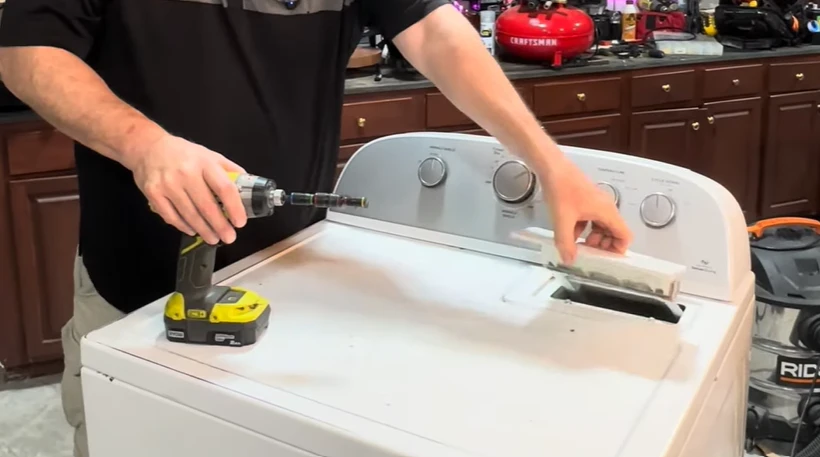
The lint housing is the channel under the lint screen where lint collects, and the vent hood is the flap on the outside wall where moist air leaves. Lint in the housing or a stuck or blocked hood restricts airflow, so clothes stay damp and the dryer overheats. A cleared vent typically costs about $100 to $200 in Plano.
Key takeaways
- The lint housing collects lint under the screen, and the hood is where the air exits outside.
- A flap that does not open fully while the dryer runs means restricted airflow.
- Most manufacturers advise against screens on the hood, because lint clogs them.
- Clearing the vent typically costs about $100 to $200 in Plano.
What the lint housing and vent hood do
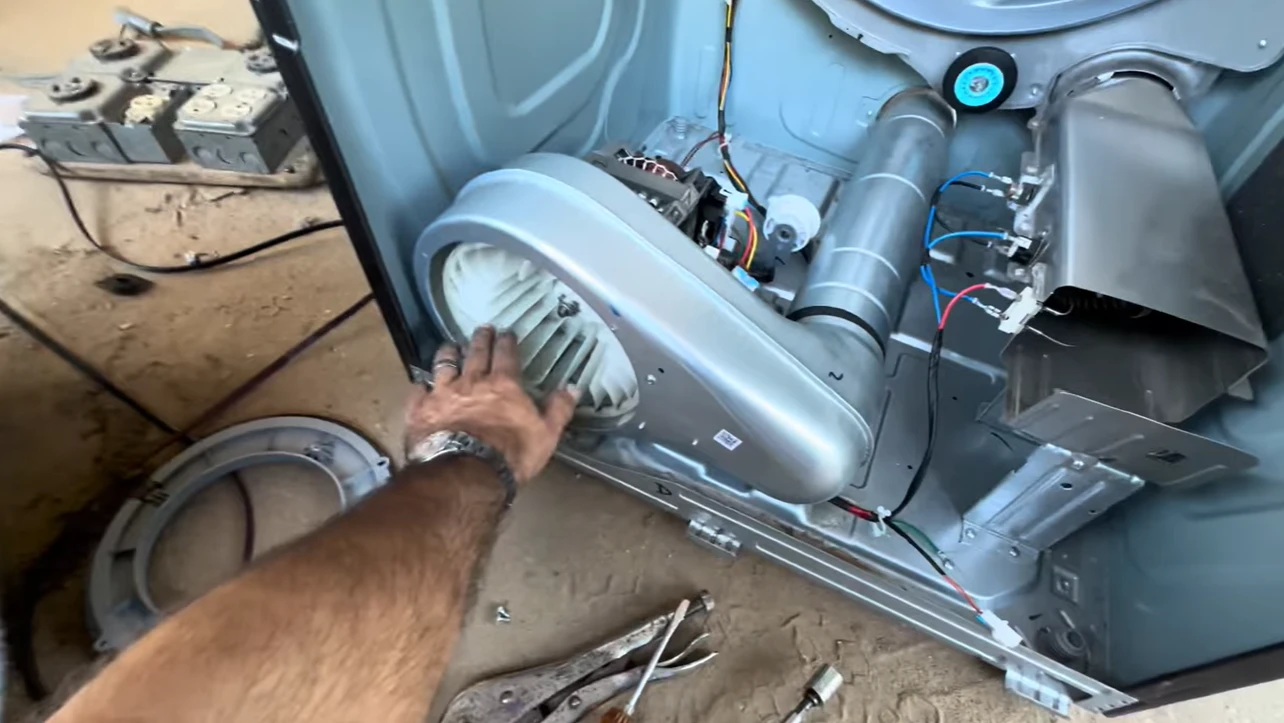
Air leaves the drum through the lint screen into the lint housing, then through the blower and the exhaust duct to the hood on the outside wall. Lint that gets past the screen settles in the housing and the duct, and the hood is the last place the air can be blocked.
What is the dryer lint housing?
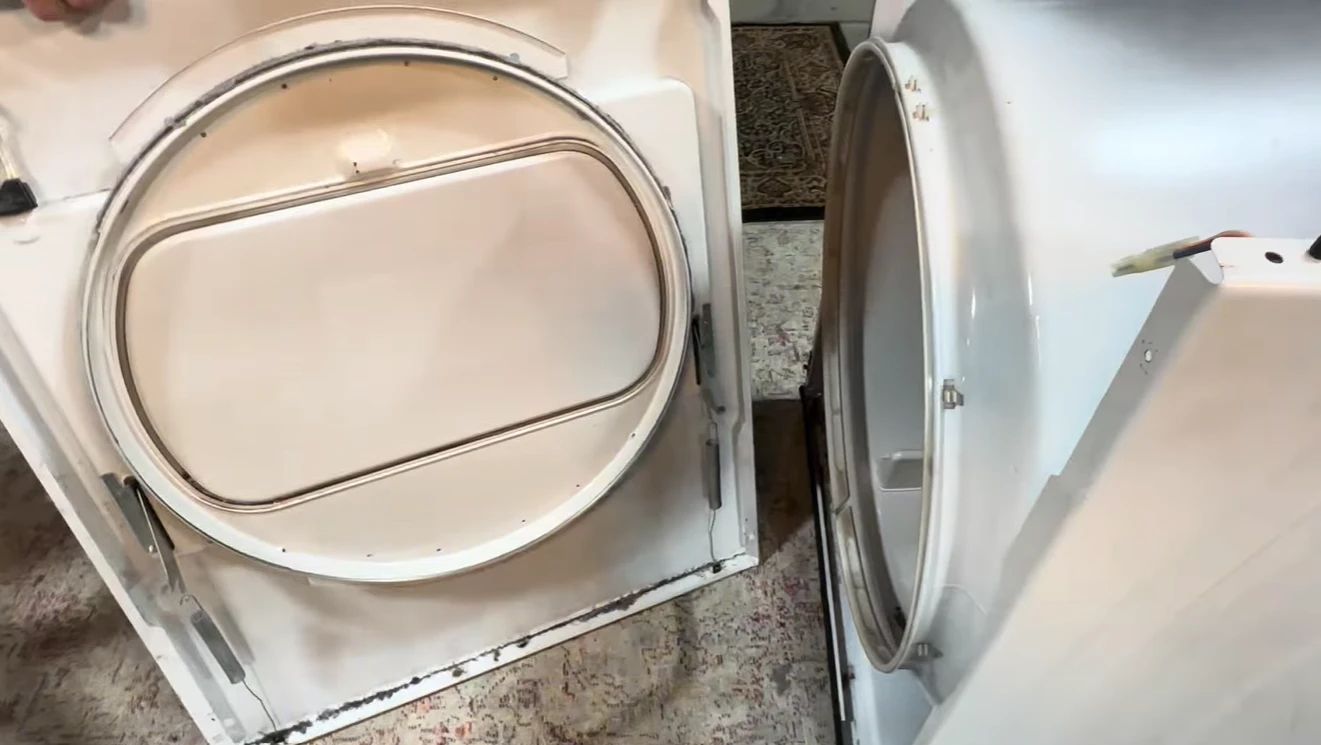
The lint housing is the channel under the lint screen where air passes out of the drum. Lint that slips past the screen collects there, and it can narrow the channel and restrict airflow. It is checked and vacuumed as part of a vent check, with the dryer unplugged.
What does a dryer vent hood do?
The vent hood is the cap on the outside wall where the dryer exhaust leaves the house. A flap or louvers open when the dryer runs and close when it stops, to keep out weather and pests. If the flap sticks or the hood is blocked, the air cannot leave and the dryer overheats.
Signs of a blocked housing or hood
| What you notice | Likely cause |
|---|---|
| Clothes need two cycles | Lint in the housing or duct, or a hood that is blocked or stuck |
| The outside flap barely opens when the dryer runs | A blocked duct or hood, or a stuck flap |
| The dryer feels very hot, or the laundry room is humid | Exhaust air not leaving |
| Lint blowing around the hood outside | A loose duct connection or a damaged hood |
| A thermal fuse that keeps blowing | Restricted airflow overheating the dryer |
Why does my vent hood flap not open?
A flap that sticks can be clogged with lint, bent, rusty or jammed shut by a nest. If the dryer runs and the flap barely moves, airflow is restricted somewhere along the duct. Clear the hood and run the ten-minute vent test. If the air is still weak, the duct or the lint housing is blocked.
How to check the outside hood
- Go outside to the hood while a helper runs the dryer empty on high.
- Watch the flap: it should open wide and stay open, with strong, warm air coming out.
- Look for lint, a nest or debris around the flap, and check that the hood is firmly attached and not cracked.
- Clear anything you can reach by hand, with the dryer off.
Should a dryer vent hood have a screen?
Most manufacturers advise against a screen over the hood, because lint clogs the mesh and restricts the airflow. Use a hood with a flap or louvers and no screen. If pests are a problem, a hood with a tight-closing flap is the better answer, and a technician can fit one.
How to check the lint housing
- Unplug the dryer.
- Remove the lint screen and shine a light into the opening.
- Use a long, narrow vacuum attachment to pull out the lint you can reach, without forcing anything.
- Wash the lint screen with soap and water if it feels stiff or coated, and let it dry fully.
How do I clean the lint housing in my dryer?
Unplug the dryer, remove the lint screen and use a long, narrow vacuum attachment to pull out lint from the opening, without forcing anything. Wash the screen with soap and water and let it dry. If lint is packed deeper than you can reach, the housing and duct need a technician’s tools.
Can birds or pests nest in a dryer vent hood?
Yes. A damaged or stuck-open hood can let birds, rodents or insects nest in the duct, which blocks the airflow and can start a fire. Check the hood after storms and every season, and replace a hood whose flap is broken or missing.
When to replace the hood
Replace the hood if the flap is broken or missing, the body is cracked or rusted through, or it will not close properly. A new hood without a screen is inexpensive, and it is usually done during a vent clearing. If the duct is crushed or kinked behind the dryer, that is fixed at the same time. See the slow-drying guide for the ten-minute vent test.
Does the vent hood affect drying time?
Yes. A hood with a stuck flap, a blocked screen or a nest can restrict the airflow as much as a clogged duct, so clothes take two cycles. It is the cheapest part of the vent to check, so look at it first when drying slows.
What it costs in Plano
| Repair | Typical cost (parts and labor) |
|---|---|
| Vent path cleared, airflow restored | $100 to $200 |
| Thermal fuse or thermostat | $150 to $275 |
| Heating element, or gas igniter or coils | $200 to $375 |
Typical Plano-area estimates, not a quote. A new hood is usually part of a vent clearing. See the dryer repair cost guide.
How much does it cost to clear a lint housing or replace a vent hood in Plano?
Clearing a blocked vent typically costs about $100 to $200 in the Plano area when the run is reachable, and a new hood is usually part of that. A long duct run, or one through an attic or roof, can cost more. Ask what is included, and get the price in writing.
Sources
- Your dryer’s installation and service manual, which governs over any general guidance on this page
- Plano Dryer Pros estimates of typical local repair pricing, checked against national consumer cost guides for context. See our Editorial Policy.
Frequently asked questions
How often should I check the vent hood?
Look at it a few times a year and after storms, with the dryer running, to see that the flap opens fully. Have the whole vent run checked about once a year. A hood that sticks, is cracked or has a nest needs attention sooner.
Is a hood with a screen allowed?
Most manufacturers and many local codes advise against a screen on a dryer vent hood, because the mesh traps lint and restricts airflow. Check your manual and local code, and ask a technician which hood to use.
Can a stuck-open hood cause problems?
Yes. A flap that will not close lets in rain, cold air and pests, and nests can block the duct. A hood that is stuck shut is worse, because the air cannot leave. Either way, the hood should be repaired or replaced.
Does lint in the housing cause a fire?
It can contribute. Lint is fuel, and a restricted path makes the dryer hotter, so a clear housing and duct reduce the risk. NFPA data list failure to clean as the leading cause of dryer fires, so cleaning the lint screen every load matters.
Can I clean the whole duct myself?
You can clear the lint screen, housing and hood if you can reach them. A long or bent duct, or one through an attic, needs a brush kit or a technician, because lint packs deeper than a vacuum reaches. Ask whether a full clear is included in a repair.
Why is the lint screen coated with a film?
Fabric softener and dryer sheets leave a waxy film on the screen that blocks airflow even when it looks clean. Wash the screen with soap and water a couple of times a year and let it dry fully before putting it back.
Get your dryer working again
Call and a person will answer, or request a repair online. You get the full price in writing before any work starts.