
Home / Dryer takes too long to dry
Dryer Takes Too Long to Dry? Causes and Fixes
Two cycles for one load is the most common dryer complaint, and it is usually a vent problem, not a broken dryer. Here is the test, the causes and the fixes.
Last reviewed September 29, 2026. Written and reviewed by the Plano Dryer Pros team. How we create content
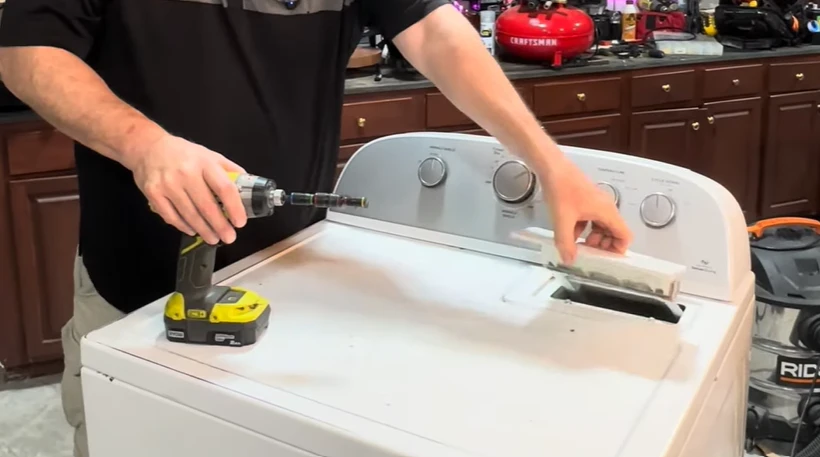
Restricted airflow is the usual reason a dryer takes two cycles. When lint, a crushed duct or a blocked outside hood keeps the exhaust from leaving, the drum stays humid and the load needs longer. Clean the lint screen, check the duct behind the dryer, and confirm the outside flap opens when the dryer runs. If airflow is fine, suspect a partial heat failure.
Key takeaways
- Run the dryer empty for ten minutes and check airflow at the outside hood.
- Lint, crushed foil duct and a stuck flap cause most slow drying.
- A restricted vent makes the dryer run hotter and wears out its parts.
- Failure to clean is the leading cause of dryer fires in NFPA data.
The ten-minute vent test
Run the dryer empty on high for about ten minutes, then go outside to the vent hood. The exhaust should be strong and warm, and it should hold the flap fully open. A weak trickle, or a flap that barely moves, means the problem is the vent. Warm air that comes out weakly points to a restriction; cool air points to a heat failure, covered in dryer not heating.
How do I check whether my dryer vent is clogged?
Run the dryer empty on high for about ten minutes, then feel the airflow at the outside vent hood. Strong, warm air that pushes the flap wide open means the vent is clear. A weak trickle, or a flap that barely moves, means lint or a crushed duct is restricting airflow.
Do it yourself in 10 minutes
The vent test: is it the vent or the dryer?
Two cycles to dry is the most common dryer complaint. This test needs no tools and tells you where the problem is.
Run it empty
Nothing in the drum. High heat for about ten minutes.
Go outside
Find the vent hood on the outside wall of the house.
Feel the air
Check how strong and warm it is, and how far the flap opens.
Why a dryer takes two cycles to dry
| Cause | How to check | Fix |
|---|---|---|
| Lint screen film | Pour water on the screen; if it pools, fabric-softener film is blocking it | Wash the screen with soap and water |
| Lint packed in the duct | Weak airflow at the outside hood | Clear the duct |
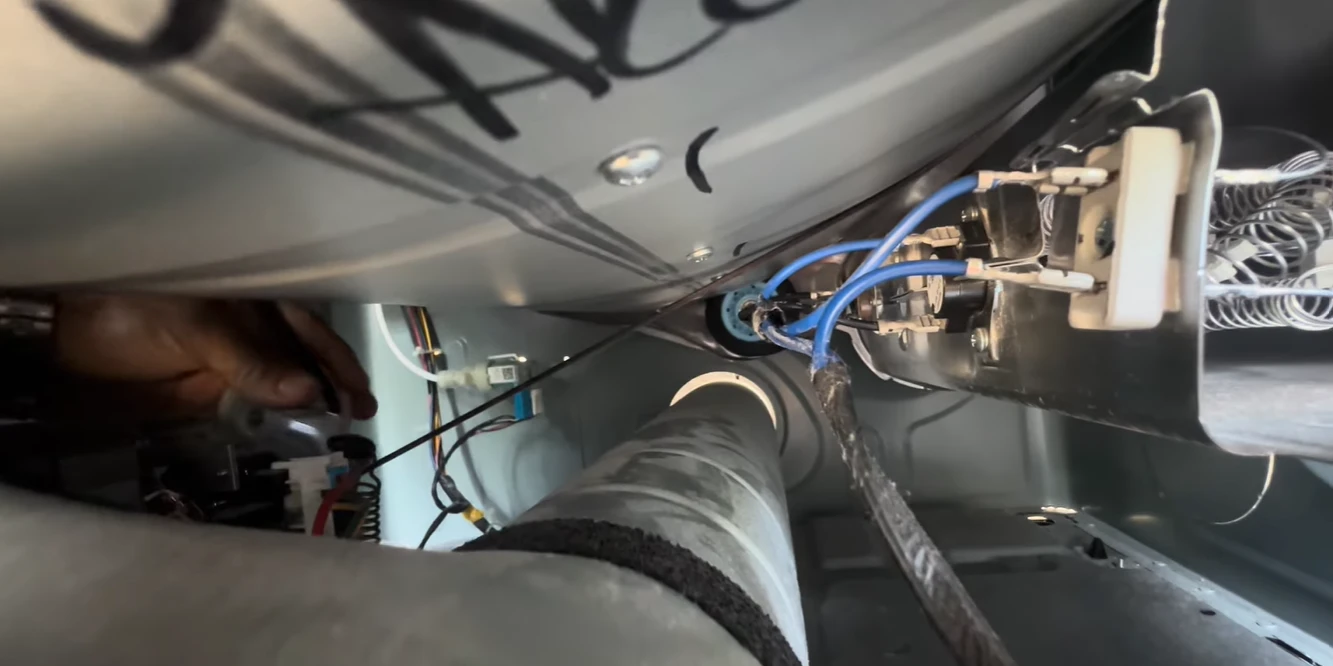
| Crushed or kinked foil duct | Pull the dryer out and look behind it | Replace with rigid or semi-rigid metal duct |
| Vent run too long or too many bends | Compare with the maximum length in your dryer manual | Shorten or straighten the run where possible |
| Stuck or blocked outside flap | Watch the flap while the dryer runs; look for nesting | Free or clear the hood |
| Overloaded drum | Clothes cannot tumble freely | Run smaller loads |
| Moisture sensor coated with film | Dryer shuts off early, clothes damp | Wipe the sensor bars with rubbing alcohol |
| Partial heat failure | Air is warm but weak, or barely warm | Test the heat circuit |
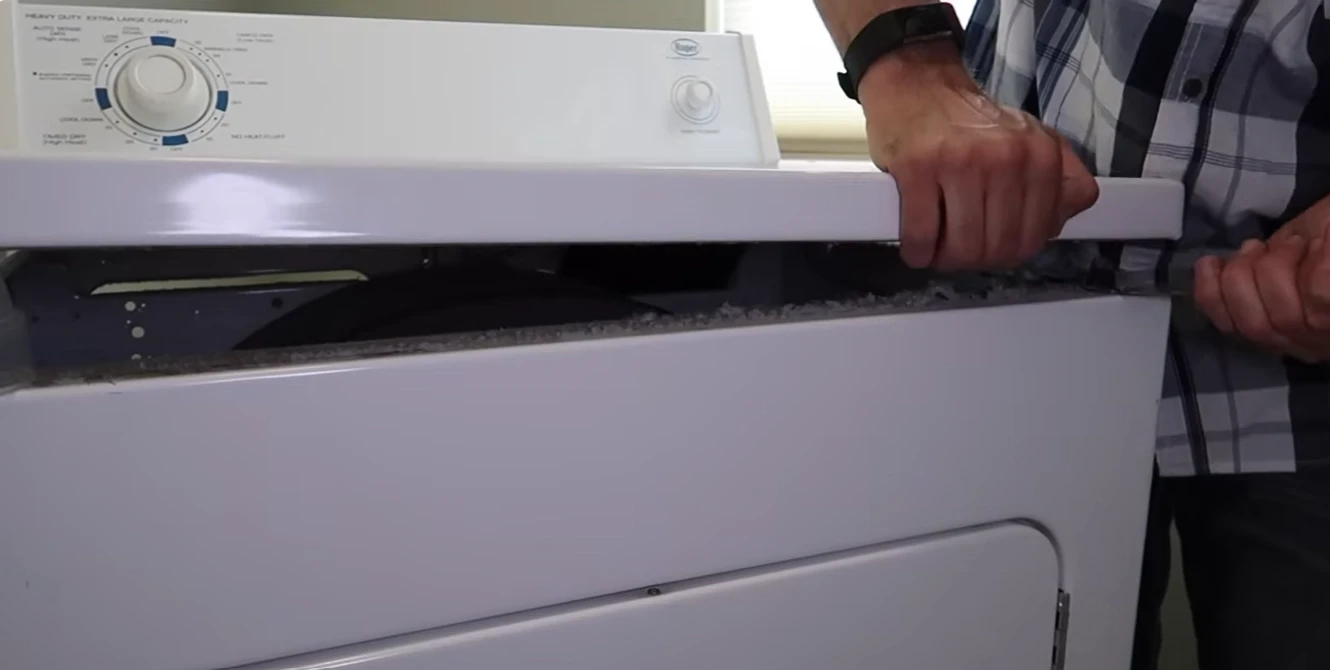
Most dryer manuals set a maximum vent length. The model residential code defaults to 35 feet minus an allowance for each bend, and your dryer’s manual governs. Flexible foil duct is the usual weak spot in older installs because it crushes behind the machine and traps lint.
How long can a dryer vent duct be?
Most dryer manuals set a maximum vent length. The model residential code defaults to 35 feet of duct, reduced for each bend, and your dryer’s manual governs. Shorter, straighter runs move air better, so avoid extra elbows and crushed sections where you can.
Why are my clothes damp even though the dryer feels hot?
A hot dryer with damp clothes usually means moist air is not leaving the drum. Restricted airflow, a clogged lint screen or a blocked outside hood traps humidity. It can also be a moisture sensor coated with softener film that ends the cycle early. Check airflow first.
Does fabric softener make a dryer slower?
It can. Fabric-softener and dryer-sheet residue builds a film on the lint screen and moisture sensor. That film restricts airflow and can fool the sensor into ending the cycle early. Wash the screen with soap and water, and wipe the sensor bars with rubbing alcohol.
Why a slow dryer matters more than it seems
Restricted airflow makes the dryer run hotter, and heat is what wears out thermal fuses, elements and thermostats. It is also a fire risk. The National Fire Protection Association’s fact sheet (2010 to 2014 annual averages) counts about 15,970 U.S. home fires a year involving clothes dryers or washers, and failure to clean was the leading cause at 31%. Treat a second cycle as a warning, not a normal thing.
What is the best type of dryer duct?
Rigid or semi-rigid metal duct is the best choice because its smooth walls move air well and resist crushing. Flexible foil duct traps lint and often gets kinked behind the dryer, so use it only for the short connection if the manual allows. Keep the run as short and straight as possible.
Older Plano homes and vent runs
The median Plano home dates to about 1993, and older installs often have longer or more awkward duct runs and flexible foil duct. Both make lint problems show up sooner. If your laundry room is far from an outside wall, the run deserves a look every year.
Can I clean a dryer vent with a shop vac?
A vacuum helps, but on its own it rarely reaches the whole run. Disconnect the duct at the dryer, use a dryer vent brush kit to loosen lint, and vacuum from both ends. Unplug the dryer first, and call a professional if the run is long or goes through the attic.
Can birds or animals block a dryer vent?
Yes. Birds and other animals sometimes nest in the outside vent hood, and lint can pack the flap. Look at the hood from outside while the dryer runs. If the flap does not open fully or you see nesting material, clear it carefully or have a professional do it.
What we do about it
On every visit we check the vent path, clear the duct we can reach, check the hood and flap, and measure airflow before we blame a part. If foil duct is the problem, we replace it with metal. Typical cost for clearing a vent and restoring airflow is $100 to $200; see the cost guide.
Sources
- National Fire Protection Association, Clothes Dryers and Washing Machines fact sheet (2010 to 2014 annual averages)
- Your dryer’s installation and service manual, which governs over any general guidance on this page
- International Residential Code guidance on dryer exhaust duct length (your dryer’s manual governs)
Frequently asked questions
How long should a dryer cycle take?
Most normal loads dry in roughly 30 to 60 minutes, and heavy items like towels take longer. If a normal load regularly needs a second cycle, something is restricting airflow or heat.
Can a clogged dryer vent cause a fire?
Yes. Lint is fuel, and restricted airflow makes the dryer hotter. Failure to clean is the leading cause of dryer fires in the National Fire Protection Association’s data.
How often should a dryer vent be cleaned?
At least once a year is the common recommendation, and more often with a large household or a long vent run. Clean the lint screen after every load.
Is it my dryer or my vent?
Run the ten-minute empty test and check airflow at the outside hood. Strong, warm air means the vent and dryer are fine. Weak air means the vent. Cool air means the heat circuit.
How much does it cost to fix a dryer that takes too long to dry?
Clearing a vent and restoring airflow typically costs about $100 to $200. If a heat part has also failed, the repair costs more. You get the price in writing first.
Why are my towels still damp after a full cycle?
Towels are dense and hold water, so overloading or restricted airflow shows up first with them. Run smaller loads, clean the lint screen, and check the vent if it keeps happening.
Get your dryer working again
Call and a person will answer, or request a repair online. You get the full price in writing before any work starts.