
Home / Dryer thermal fuse and thermostats
Dryer Thermal Fuse and Thermostats: Why They Blow
A blown thermal fuse is a symptom, and the cause is usually the vent. Learn what these safety parts do and how to stop them failing again.
Last reviewed September 30, 2026. Written and reviewed by the Plano Dryer Pros team. How we create content
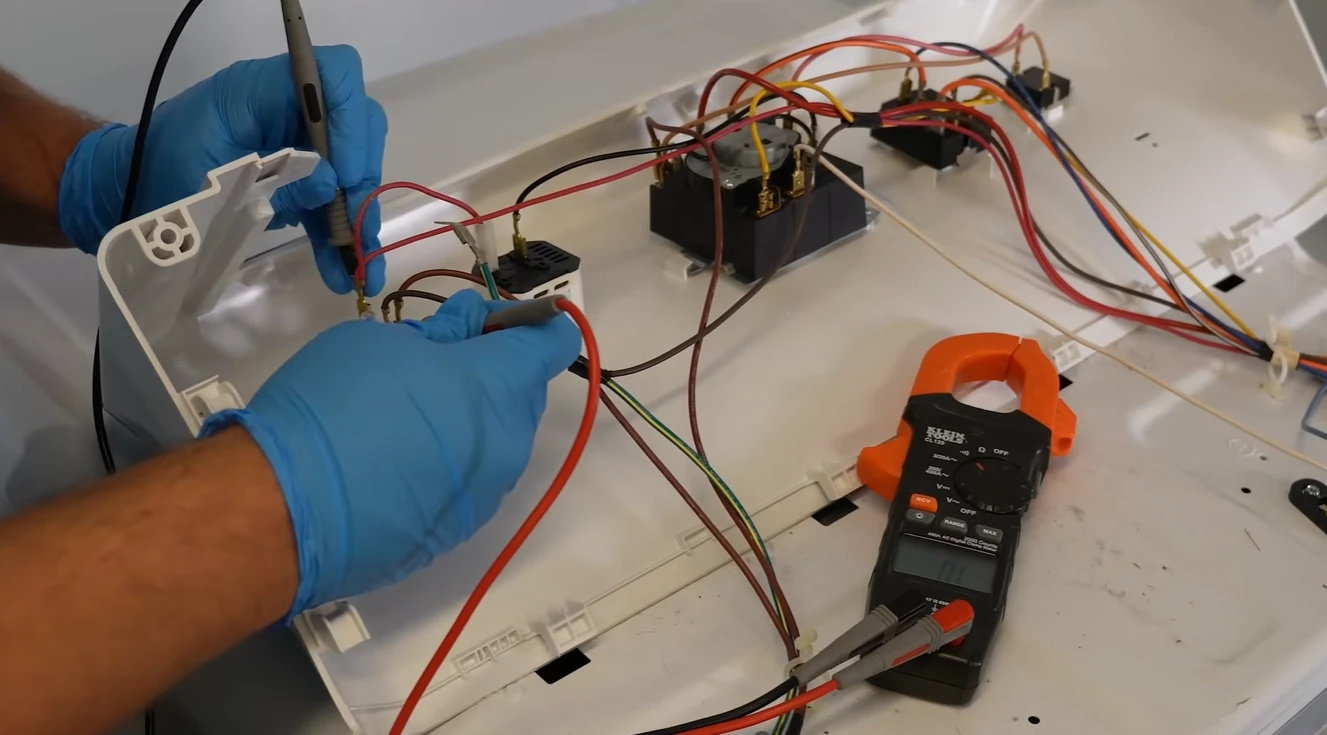
A dryer thermal fuse is a one-time safety part that blows when the dryer overheats, and the usual cause is restricted airflow from a blocked vent. Thermostats protect the dryer the same way but reset themselves. Replacing a fuse without clearing the vent only fixes the symptom for a few weeks, so fix the airflow and the part together.
Key takeaways
- A thermal fuse is a one-time safety part that blows once and must be replaced.
- A blocked vent is the most common reason it blows.
- Never bypass a thermal fuse: it is what stops an overheating dryer.
- Thermostats reset and the fuse does not, so the symptoms differ.
What these safety parts do
| Part | What it does | Resets? | Typical symptom when it fails |
|---|---|---|---|
| Thermal fuse | Cuts power to the heater, or to the whole dryer on some models, if the dryer gets too hot | No: replace it | No heat, or the dryer will not start |
| High-limit thermostat | Cuts the heat when the temperature passes a safe limit | Yes, once it cools | Heat cuts out, or the dryer stops and runs again after cooling |
| Cycling thermostat | Turns heat on and off to hold the set temperature | Yes | Too hot, too cool, or no heat |
What is the difference between a thermal fuse and a thermostat?
A thermal fuse is a one-time safety part that blows permanently when the dryer gets too hot and must be replaced. A thermostat is a switch that opens when the temperature is too high and closes again when it cools. The fuse is the last line of defense, and the thermostats do the everyday regulating.
Why they blow: the vent connection
These parts trip because the dryer got too hot, and the usual reason is that hot, moist air could not leave. Lint in the duct, a crushed foil run, a long duct with many bends or a stuck outside flap traps the heat. That is why a dryer that blows a fuse once will often blow the next one unless the airflow is fixed.
What causes a dryer thermal fuse to blow?
Overheating, and the most common reason is restricted airflow. A clogged lint screen, a duct packed with lint, a crushed foil hose or a blocked outside flap traps hot air in the dryer. A failing thermostat that lets the heat run too high can also do it, which is why the vent and thermostats are both checked.
How to tell which part failed
| What the dryer does | Likely part | Note |
|---|---|---|
| Runs, no heat, does not start again after a cool-down | Thermal fuse or heater circuit | A blown fuse does not reset |
| Stops mid-cycle, runs again after cooling | High-limit thermostat | Points to overheating from restricted airflow |
| Dead: no sound or motion at all | Thermal fuse on some models, breaker, or door switch | Check the breaker and door first |
| Runs too hot or never warms properly | Cycling thermostat | Often also a vent problem |
How do I know if my dryer thermal fuse is blown?
The usual signs are a dryer that runs but has no heat, or one that will not start at all on models where the fuse protects the motor circuit. A technician confirms it by testing the fuse for continuity with a meter: a blown fuse shows no continuity. Check the breaker first, since it looks the same.
Where is the thermal fuse located?
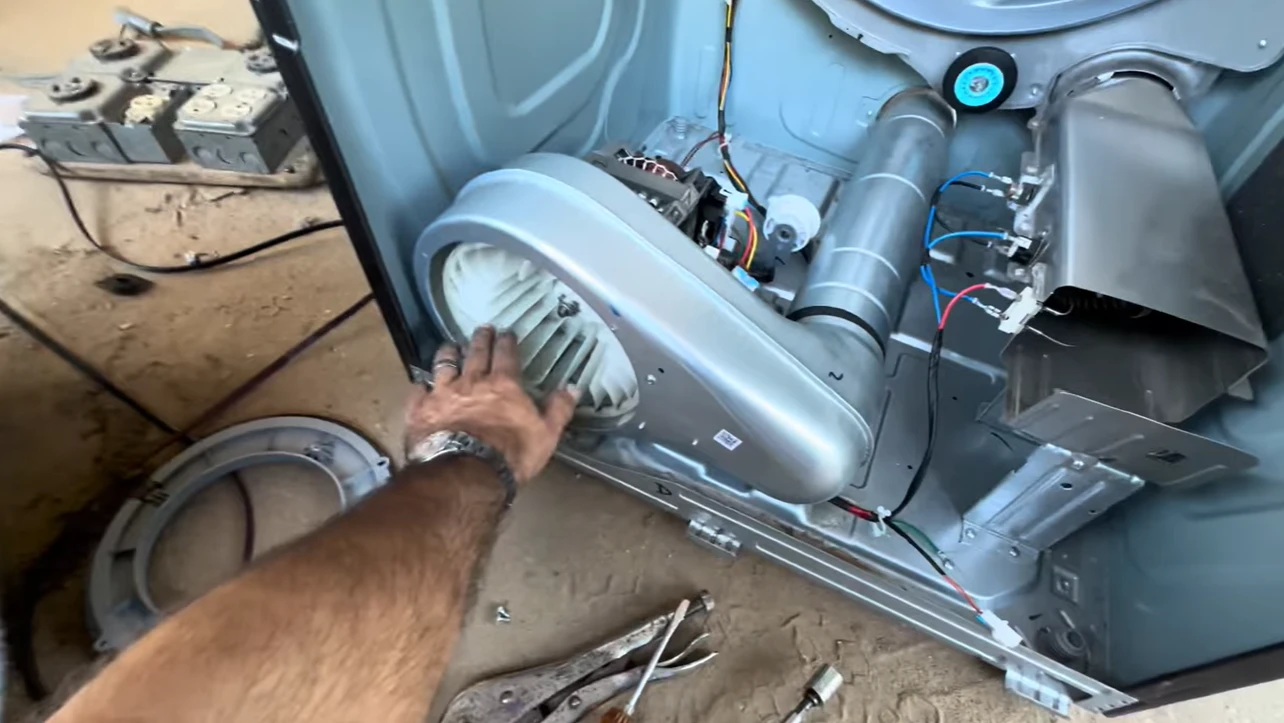
The location varies by brand and model. On many dryers it sits on the blower housing or near the heating element or burner, where it can sense the hot exhaust air. Because the fuse is a safety part, your manual or a parts diagram for your model number is the reliable guide to where it is.
How the parts are tested
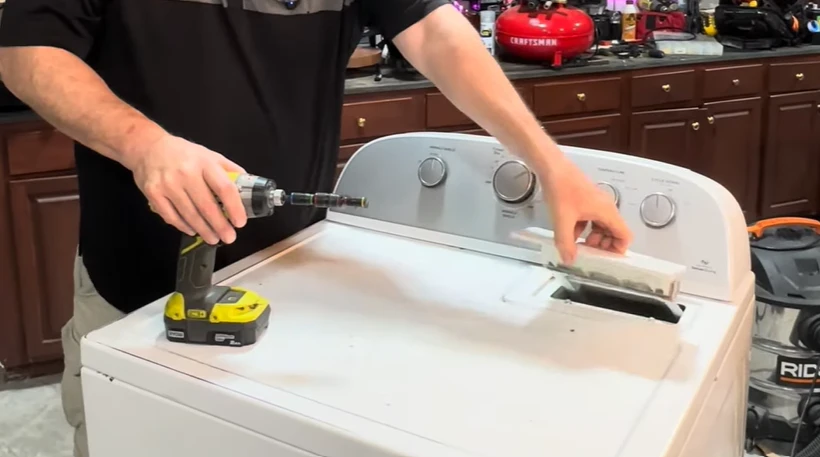
- The dryer is unplugged, or its breaker switched off, before any panel is opened.
- The fuse and thermostats are located and their wires disconnected so each is tested on its own.
- A meter checks continuity: a good fuse or thermostat shows it, a blown or failed one does not.
- The heating element or igniter circuit is tested too, so the real fault is found.
- The vent is checked to find out why the part tripped.
Replace the part and fix the cause
Replace the failed part with the exact one for the model, then clear the vent and run the ten-minute vent test. A fuse replaced without fixing the airflow is a short-term fix.
Can I bypass a thermal fuse?
No. Never bypass or jumper a thermal fuse. It is the safety part that cuts power when the dryer overheats, so removing it takes away the protection that prevents a fire. If a fuse keeps blowing, the dryer is overheating for a reason, and that cause has to be found and fixed, not bypassed.
Why the fuse blows again
- The vent was never cleared, or only part of the duct was cleaned
- A crushed or kinked foil duct behind the dryer
- A long duct run with too many bends
- A failing thermostat letting the heat climb
- A second fault, such as a failing motor or restricted blower
What it costs in Plano
| Repair | Typical cost (parts and labor) |
|---|---|
| Thermal fuse or thermostat | $150 to $275 |
| Vent path cleared, airflow restored | $100 to $200 |
| Heating element, or gas igniter or coils | $200 to $375 |
Typical Plano-area estimates, not a quote. See the dryer repair cost guide, and dryer stops mid-cycle or dryer not heating if those match your symptom.
What does it cost to replace a dryer thermal fuse in Plano?
A thermal fuse or thermostat repair typically costs about $150 to $275 in the Plano area, parts and labor included. The fuse itself is inexpensive, so most of the price is diagnosis and labor. Clearing the vent, typically about $100 to $200, is often part of the fix, since a blocked vent is usually why it blew.
Sources
- National Fire Protection Association, Clothes Dryers and Washing Machines fact sheet (2010 to 2014 annual averages)
- Your dryer’s installation and service manual, which governs over any general guidance on this page
- Plano Dryer Pros estimates of typical local repair pricing, checked against national consumer cost guides for context. See our Editorial Policy.
Frequently asked questions
Does a blown thermal fuse always mean the vent is blocked?
Usually, but not always. Restricted airflow is the most common cause, yet a failing thermostat, an overheating motor or a restricted blower can also make a dryer run too hot. That is why a technician checks the vent and tests the thermostats rather than only swapping the fuse.
Can a thermal fuse be reset?
No. A thermal fuse is a one-time part, and once it blows it stays open until it is replaced. Thermostats are different: they reset on their own once they cool, which is how the symptoms of the two differ.
Will a blown thermal fuse stop the dryer from starting?
On some models, yes. If the fuse sits in the motor circuit, a blown fuse leaves the dryer completely dead. On others it only cuts the heater, so the dryer runs without heat. Your model and a meter test tell you which it is.
Is it safe to keep replacing the thermal fuse?
No. A fuse that keeps blowing means the dryer keeps overheating, which is a fire risk. Stop after the first repeat, clear the vent, have the thermostats and heater tested, and never bypass the fuse to get the dryer running.
How long does a thermal fuse replacement take?
Diagnosis is often done within the first 15 to 30 minutes, and many repairs finish in under an hour when the part is on hand. Clearing the vent or working on a stacked dryer adds time.
Do gas dryers have thermal fuses too?
Yes. Gas dryers have thermal fuses or cutoffs and high-limit thermostats that protect the burner and the exhaust path. The fuse often sits near the burner or blower housing. The same vent problems cause the same failures on gas and electric dryers.
Get your dryer working again
Call and a person will answer, or request a repair online. You get the full price in writing before any work starts.