
Home / Gas dryer flame sensor and burner
Gas Dryer Flame Sensor and Burner Assembly
The flame sensor and burner finish the job after the igniter. Here is what they do, how they fail and why this is gas work for a professional.
Last reviewed October 1, 2026. Written and reviewed by the Plano Dryer Pros team. How we create content
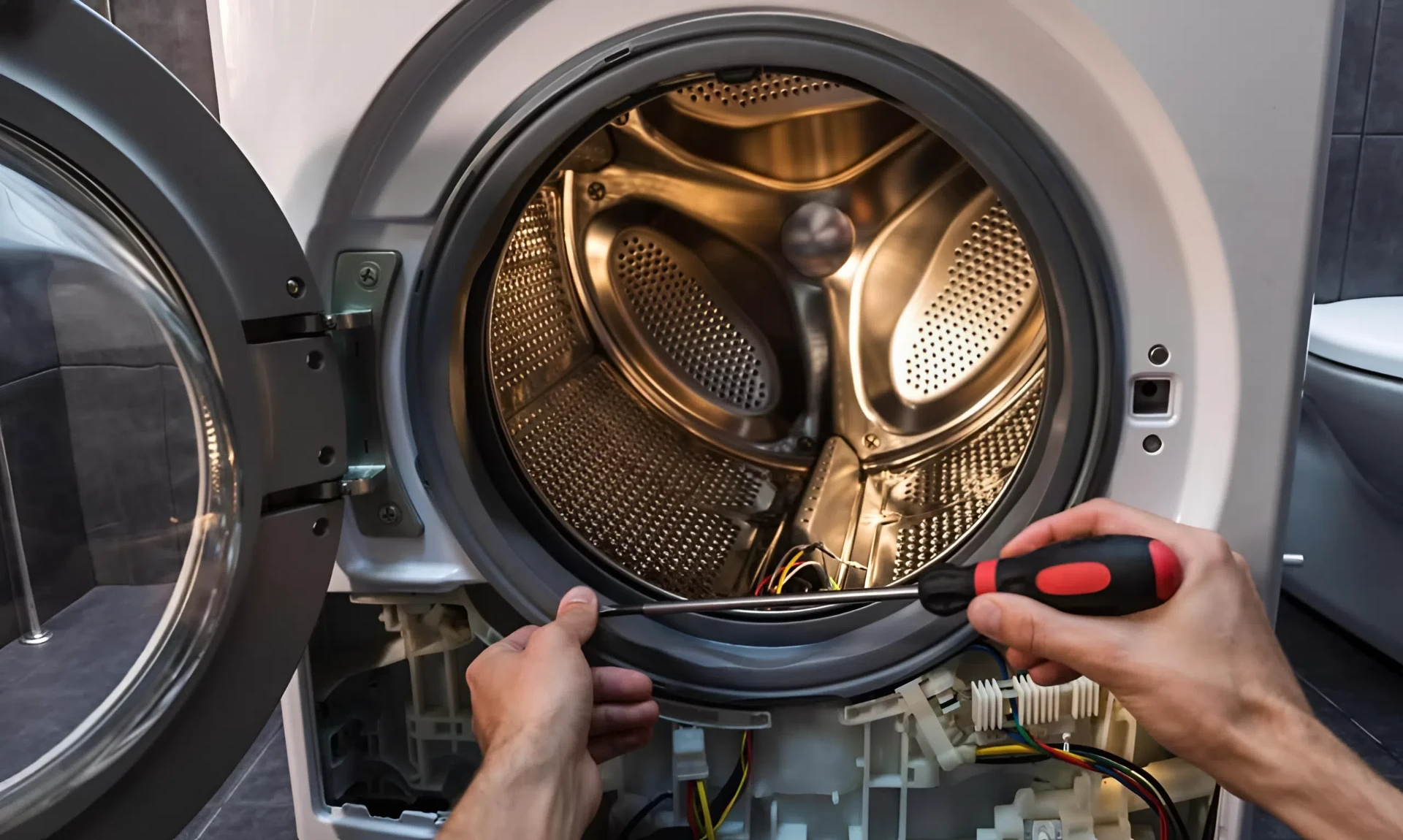
On a gas dryer, the flame sensor confirms the burner has lit, and the burner assembly mixes gas and air to make the heat. A weak or dirty sensor can shut the burner off after a brief flame, and lint in the burner can weaken the flame. If you smell gas, leave the house and call 911 and Atmos Energy.
Key takeaways
- The flame sensor confirms the burner has lit, and the burner makes the heat.
- A flame that lights and then goes out often points to a weak sensor, or to blocked airflow.
- Lint and rust in the burner can give a weak or uneven flame.
- This is gas work: stop and call a professional, and if you smell gas, leave the house.
What the flame sensor and burner do
After the igniter glows and the gas valve opens, gas flows to the burner, mixes with air and lights. The flame sensor confirms the flame, so the controls keep the gas flowing. If it does not sense a flame, the dryer shuts the burner off, which is a safety feature.
What does a gas dryer flame sensor do?
The flame sensor confirms that the burner has lit. Depending on the design, it tells the controls to keep the gas valve open, or to switch the igniter off, once it senses the heat of the flame. If it is weak or dirty, the dryer can shut the burner off after a brief flame, as a safety measure.
What is the burner assembly on a gas dryer?
The burner assembly is the metal tube, or set of tubes, where the gas mixes with air and burns to heat the dryer. It sits in the burner housing next to the igniter. Lint, rust or a blocked air opening can weaken the flame, so it is inspected when a gas dryer heats poorly.
Signs of a flame sensor or burner problem
| What you notice | Likely cause |
|---|---|
| Flame lights, then goes out within seconds | A weak or dirty flame sensor, or the high-limit tripping from blocked airflow |
| Weak or uneven flame, slow heat | Lint, rust or a blocked air opening in the burner |
| Burner cycles on and off in short bursts | Restricted airflow tripping a thermostat |
| Soot, or a flame that lights late with a thump | A burner or gas valve problem: stop and call a professional |
| No flame at all | Igniter, gas valve coils or a safety part: see the igniter guide |
Why does my gas dryer flame light and then go out?
A weak or dirty flame sensor can shut the burner off after a brief flame, because it fails to confirm the flame. A restricted vent can also trip the high-limit thermostat so the burner cycles off. The sensor, the vent and then the valve coils are checked, in that order. See the igniter and coils guide.
Why does my gas dryer light with a delay or a thump?
A delayed or noisy ignition can mean gas is building up before it lights, which is not safe. It can come from a weak igniter, a burner problem or a gas valve that opens late. Stop using the dryer, close the gas valve and have a professional inspect it before it is used again.
Lint in the burner
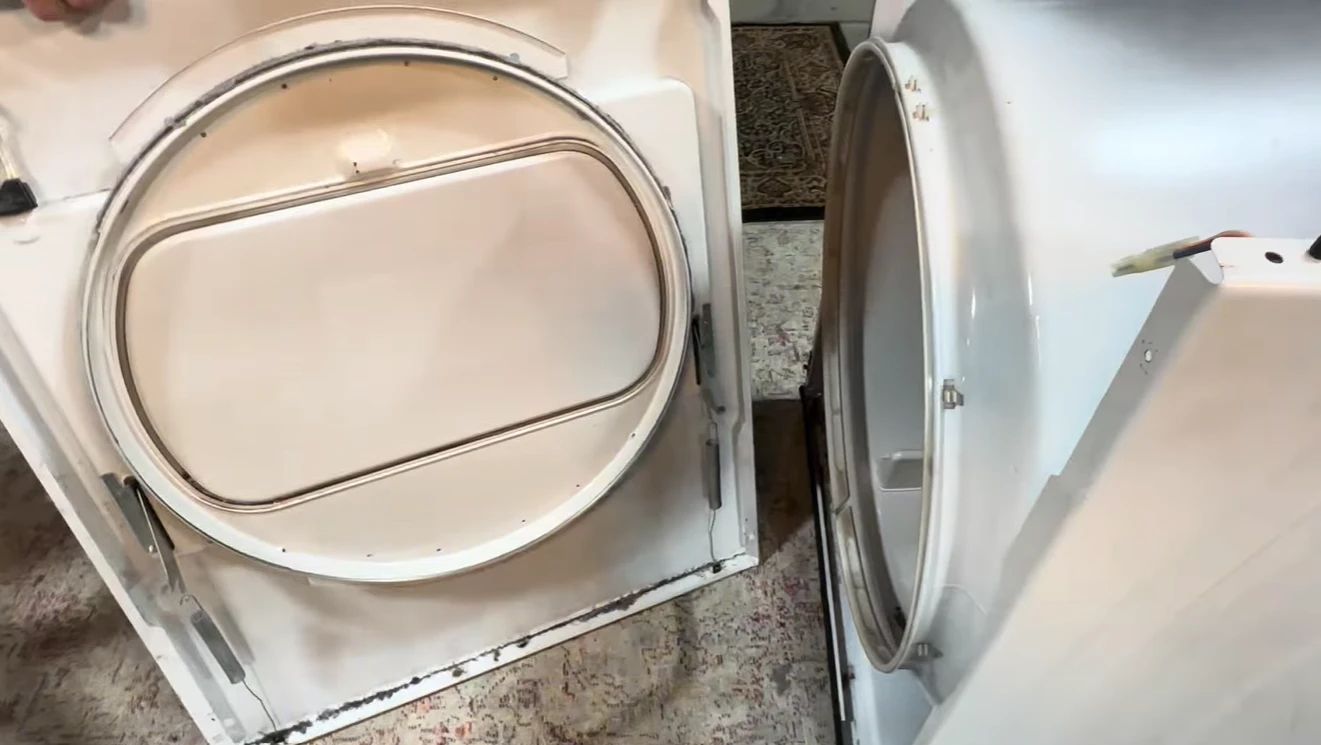
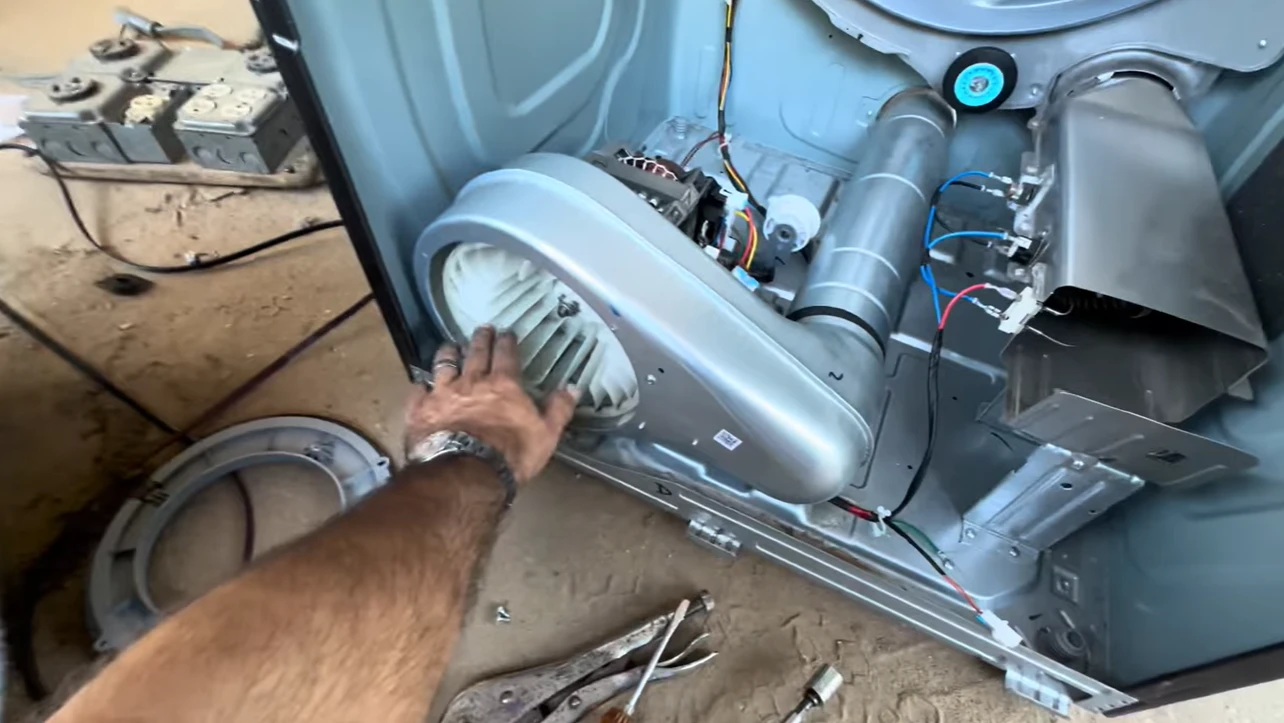
Lint that escapes the lint screen and housing can settle in the burner area, where it can clog the air opening or burn off with a sooty smell. A gas dryer with a blocked vent also pulls more lint into the cabinet. Keeping the lint screen and vent clear protects the burner.
Can lint clog a gas dryer burner?
Yes. Lint that gets past the screen can settle in the burner area and block the air opening, which weakens or distorts the flame. A blocked vent makes it worse by pushing lint back into the cabinet. Clean the lint screen every load and have the vent checked about once a year.
Can I clean a gas dryer burner myself?
It is a job for a professional. The burner is part of a gas appliance, and cleaning it means disconnecting parts in the gas train, which can leave a leak if it is done wrong. The safe step you can take is to keep the lint screen and vent clear, and to call a technician for anything inside.
Gas safety
Smell gas? Leave the house, avoid switches, and from a safe distance call 911 and Atmos Energy at 866.322.8667. A dryer repair covers the dryer’s own gas parts: the igniter, valve coils, flame sensor and burner. Gas piping and the shutoff valve belong to a licensed plumber. More in the gas dryer FAQ.
What it costs in Plano
| Repair | Typical cost (parts and labor) |
|---|---|
| Gas igniter, valve coils, or related heat parts | $200 to $375 |
| Thermal fuse or thermostat | $150 to $275 |
| Vent path cleared, airflow restored | $100 to $200 |
Typical Plano-area estimates, not a quote. A flame sensor or burner repair falls in the same range, but the price depends on the brand and model. See the dryer repair cost guide.
How much does a gas dryer flame sensor or burner repair cost in Plano?
Typical Plano-area cost is about $200 to $375 for gas heat-circuit repairs, parts and labor included, though the price depends on the brand, the model and which part has failed. Clearing the vent, typically $100 to $200, is often part of the fix. Ask for the exact price in writing.
Sources
- Atmos Energy gas emergency guidance (866.322.8667)
- Your dryer’s installation and service manual, which governs over any general guidance on this page
- Plano Dryer Pros estimates of typical local repair pricing, checked against national consumer cost guides for context. See our Editorial Policy.
Frequently asked questions
Is a flame that goes out dangerous?
Dryers are designed to shut the gas off if they do not sense a flame, so a flame that goes out usually means no heat, not a leak. A smell of gas is always an emergency, though: leave the house and call 911 and Atmos Energy at 866.322.8667.
Where is the flame sensor on a gas dryer?
Usually in or near the burner housing, close to the igniter. The location and the type of sensor vary by brand and model, so a parts diagram for your model number is the reliable guide. It is inside the heat area, so it is a job for a technician.
Can a bad flame sensor stop the dryer from heating?
Yes. If the sensor does not confirm the flame, the controls shut the burner off, so the dryer tumbles without heat or heats in short bursts. A meter test on the sensor, the igniter and the coils shows which part has failed.
How long does a gas dryer burner last?
There is no fixed lifespan. A burner can last for many years if it is kept free of lint and rust, and a clean vent helps. A weak flame or a sooty smell is the first sign it needs attention.
Why does my gas dryer have a yellow or sooty flame?
A flame that is weak, uneven or sooty can come from lint or rust in the burner or a blocked air opening. Stop using the dryer and have it inspected. A burner that burns badly can also give off carbon monoxide, so keep a working alarm near the bedrooms.
Can I use a gas dryer with a bad flame sensor?
If the dryer will not heat or keeps shutting off, there is nothing safe to run. Do not try to bypass the sensor. It is a safety part, and a faulty one should be replaced. Turn the dryer off and have it checked.
Get your dryer working again
Call and a person will answer, or request a repair online. You get the full price in writing before any work starts.