
Home / Blog / After a storm: check your dryer vent hood
After a Storm: Check Your Dryer Vent Hood
Hail, wind and debris can damage or block the outside hood, and a blocked hood is a blocked vent. Here is a five-minute check, and when to stop.
Last reviewed October 1, 2026. Written and reviewed by the Plano Dryer Pros team. How we create content
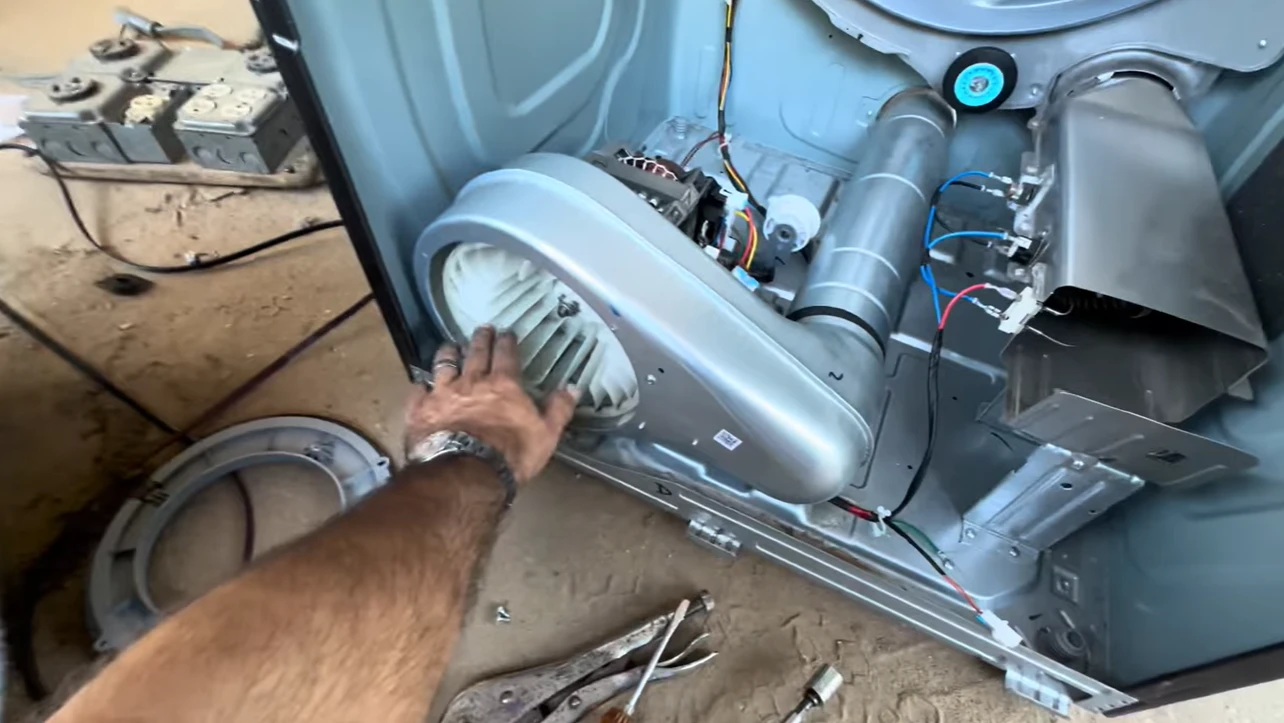
After a Plano storm, check the outside vent hood for hail damage, debris, a stuck flap or a nest, then run the dryer for ten minutes and feel the air. If the power went out, check the breaker. If water reached the dryer, or you smell gas, do not use it until a professional has checked it.
Key takeaways
- Check the outside hood after hail, high wind or heavy debris.
- Run the ten-minute airflow test: strong, warm air and a flap that opens wide.
- After a power outage or surge, check the breaker before assuming the dryer failed.
- If water reached the dryer, or you smell gas, do not use it until it has been checked.
The five-minute storm check
- Go outside to the vent hood with the dryer off, and look for dents, cracks or a hood pulled away from the wall.
- Look for leaves, branches, insulation or other debris in or around the flap.
- Check that the flap moves freely and is not bent or jammed.
- Look for a nest, or signs an animal has moved in.
- Run the dryer empty on high for ten minutes, and feel the air at the hood: it should be strong and warm.
How do I check my dryer vent after a storm?
Go outside with the dryer off and look for dents, cracks, debris, a bent flap or a nest at the hood. Then run the dryer empty on high for ten minutes and feel the air at the hood: it should be strong and warm, with the flap wide open.
What you might find
| What you find | What it means | What to do |
|---|---|---|
| A dented or cracked hood | Hail or impact damage, and the flap may no longer seal | Replace the hood, with no screen |
| Leaves, branches or debris | The air cannot leave | Clear it by hand, with the dryer off, then rerun the test |
| A bent or jammed flap | Airflow is restricted | Free it or replace the hood |
| A nest or an animal | The duct may be blocked deeper in | Clear it and check the duct: cleaning guide |
| The duct pulled loose from the hood or wall | Exhaust and lint are escaping | Reconnect with foil tape or clamps, or call a technician |
Can hail damage a dryer vent hood?
Yes. Hail can dent or crack a plastic or metal hood, bend the flap or knock it loose from the wall. After hail, look at the hood and run the airflow test, and replace a damaged hood with one that has a flap and no screen.
Power outages, surges and water
| Situation | What to do |
|---|---|
| The power went out, and the dryer will not start | Check the breaker, with both halves on for an electric dryer, and reset it once |
| A surge or lightning strike nearby | If the dryer behaves oddly or the display is dead, have it checked, because electronics can be damaged |
| Water reached the dryer or the laundry area | Do not use the dryer. Switch off the power if it is safe, and have it inspected before use |
| You smell gas after the storm | Leave the house, and call 911 and Atmos Energy at 866.322.8667 from a safe distance |
What if the power went out or surged?
After an outage, check the breaker and reset it once, with both halves on for an electric dryer. If the dryer is dead, behaves oddly or the display is blank after a surge, the electronics may be damaged, so have it checked. A breaker that trips again is a fault: stop and call.
Is it safe to use a dryer after a flood?
No, not if water reached the dryer, its wiring or its gas connection. Floodwater can damage the electronics, the motor and the gas parts, and it creates a shock and fire risk. Switch off the power if it is safe, do not run the dryer, and have it inspected, and a gas dryer’s connection checked, before use.
What if I smell gas after a storm?
Leave the house at once, avoid switches, and from a safe distance call 911 and Atmos Energy at 866.322.8667. Do not look for the leak, and do not go back in until you are told it is safe. See what to do if you smell gas.
See the vent hood page and the vent safety guide.
Sources
- Atmos Energy gas emergency guidance (866.322.8667)
- National Fire Protection Association, Clothes Dryers and Washing Machines fact sheet (2010 to 2014 annual averages)
- Your dryer’s installation and service manual, which governs over any general guidance on this page
- Plano Dryer Pros estimates of typical local repair pricing, checked against national consumer cost guides for context. See our Editorial Policy.
Frequently asked questions
How soon after a storm should I check the vent hood?
As soon as it is safe to go outside, and before the next load. A hood damaged by hail or blocked by debris can restrict airflow immediately, so a quick look and a ten-minute test are worth it.
Do I need to check the hood after every storm?
After hail, high wind or heavy debris, yes. After a light shower, a regular seasonal check is enough. If drying slows after a storm, check the hood first.
Can a storm blow a nest or debris into the vent?
Yes. Wind can push leaves and debris into a hood whose flap is stuck open, and animals may take shelter in a damaged one. Clear anything you can reach with the dryer off, and check the duct behind it.
Should I replace the hood after hail damage?
If it is dented, cracked, bent or does not close properly, yes. A new hood with a tight-closing flap and no screen is inexpensive, and it is usually done as part of a vent clearing.
Will my homeowners insurance cover storm damage to the vent hood?
It may, if the storm is a covered event, but a hood is a small item and may fall under your deductible. Check your policy and ask your agent, and keep photos of the damage.
Get your dryer working again
Call and a person will answer, or request a repair online. You get the full price in writing before any work starts.