
Home / Guides / After a power outage or surge
Dryer Not Working After a Power Outage or Surge? What to Check
Outages and surges are common in storm season. Here is what to check first, what the symptoms usually mean, and when to stop and call.
Last reviewed October 7, 2026. Written and reviewed by the Plano Dryer Pros team. How we create content
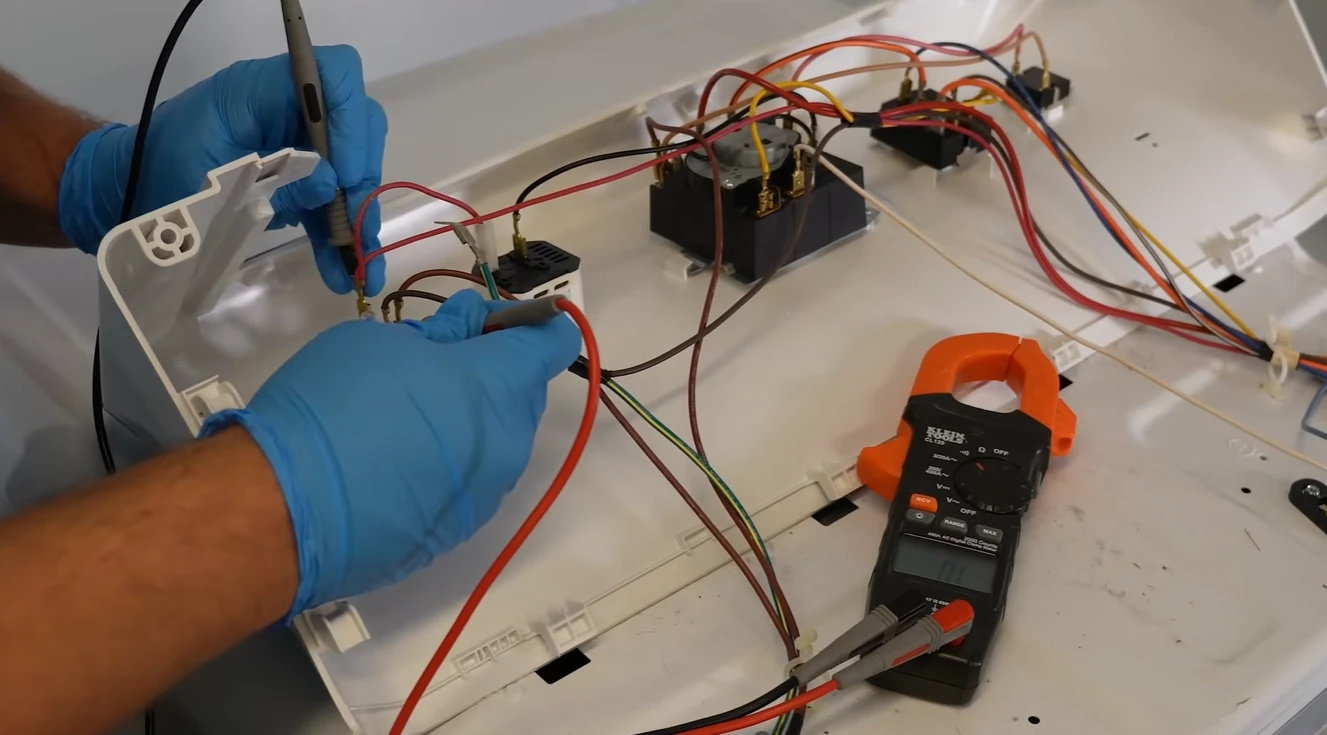
After a power outage, storm or surge, a dryer that will not start or heat usually has a tripped breaker, one half of a double breaker off, or electronics that need a reset. Switch the breaker fully off, wait five minutes, and switch it on. If it is still dead, or you smell burning, stop and have it checked.
Key takeaways
- An electric dryer uses a double breaker, and both halves must be on.
- Gas dryers still need electricity for the motor and igniter, so an outage means no heat.
- A surge can damage the control board, one of the costlier dryer parts.
- A burning smell, scorch marks or a breaker that keeps tripping means stop and call.
First checks, in order
- Make sure power is really back: check a light and another appliance.
- Open the breaker panel and look for a tripped breaker. An electric dryer uses a double breaker, so check both halves, and switch it fully off, then on.
- Check that the dryer’s plug is fully seated and the cord is not damaged. Unplug the dryer before you reach behind it.
- Close the door firmly and press start again. Many dryers need a fresh start after losing power.
- On a gas dryer, confirm that the gas valve behind it is still open.
- If it still will not start, switch the breaker off for five minutes, switch it on, and try a timed dry cycle.
Why will my dryer not start after a power outage?
The usual causes are a tripped breaker, one half of a double breaker that is off, or electronics that need a reset after losing power. Switch the breaker fully off for five minutes, switch it on and restart. If the dryer is still dead, a fuse, switch or control board may have failed.
What the symptom usually means
| What you see | Usually points to | Next step |
|---|---|---|
| Dead: no lights, no sound | A tripped breaker, a blown thermal fuse, or a damaged control board | Check the breaker; see dryer won’t start |
| Display lights up but it will not start | A door switch, start switch, or electronics that need a reset | Close the door firmly; reset at the breaker |
| Runs, but no heat (electric) | One half of the double breaker off, a thermal fuse or a heating part | Check both halves; see dryer not heating |
| Runs, but no heat (gas) | The igniter, gas valve coils, or the gas valve being closed | See how to test a gas dryer igniter |
| A burning smell, scorch marks or a hot plug | A short or a damaged connection | Stop, unplug and call |
| The breaker trips again at once | A short in the element or the wiring | Do not keep resetting it; call |
Can a power surge damage a dryer?
Yes. A surge can damage the electronic control board and sometimes the display. A board is one of the costlier dryer parts, so get the price in writing and compare it with replacing the dryer. Surge protection for the home or for the circuit can reduce the risk.
Gas dryers and power outages
A gas dryer burns gas for heat, but it needs electricity for the motor, the controls and the igniter. In an outage it stops, and it will not light until power returns. When it does return, restart the cycle. If at any point you smell gas, leave the house and call 911 and Atmos Energy at 866.322.8667. See what to do if you smell gas near a dryer.
Is it safe to restart a gas dryer after an outage?
Yes, once the power is back and you smell no gas. Restart the cycle normally. If you smell gas, do not use the dryer: leave the home, call 911 and your gas utility, and stay outside until you are told it is safe.
When to stop and call
- A burning smell, smoke or scorch marks at the plug, outlet or back of the dryer
- A plug or cord that is hot or discolored
- A breaker that trips again as soon as you reset it
- Sparks, buzzing or a tingling feel when you touch the dryer
- Any smell of gas
What it costs
Typical Plano costs: a door or start switch about $150 to $250, a thermal fuse or thermostat about $150 to $275, and a control board about $300 to $600 or more, parts and labor. These are estimates, not a quote. You get the exact price in writing before any work starts. See the cost guide and the repair or replace calculator.
Should I unplug my dryer during storms?
It can help protect against surges from lightning, but it is not always practical to reach behind a heavy dryer. At minimum, avoid using the dryer during a thunderstorm, and consider surge protection for the home. Unplug it before you check anything behind it.
Sources
- Your dryer’s installation and service manual, which governs over any general guidance on this page
- Plano Dryer Pros estimates of typical local repair pricing. See our Editorial Policy.
Frequently asked questions
Do I need to reset my dryer after an outage?
Often a restart is enough. If not, switch the dryer’s breaker off for five minutes and on again, then try a timed dry cycle.
Why does my electric dryer tumble but not heat after an outage?
A common cause is one half of the double breaker staying off, which leaves the motor running but cuts the heating element’s 240 volts. Check both halves.
How do I know if the control board is damaged?
If the breaker is on, the plug is seated, and the dryer is dead or the display is blank or erratic, the board or a fuse may be the cause. A technician can test it.
Will a surge damage a newer dryer?
It can. Electronics in newer dryers are more sensitive. Check the maker’s warranty terms, and ask whether surge damage is covered.
Get your dryer working again
Call and a person will answer, or request a repair online. You get the full price in writing before any work starts.