
Home / Blog / Common dryer problems in 1990s Plano homes
Common Dryer Problems in 1990s Plano Homes
Plano grew fast in the 1980s and 1990s, and many of those homes now have 25-year-old vent runs and wiring. Here is what tends to go wrong, and what to check.
Last reviewed October 1, 2026. Written and reviewed by the Plano Dryer Pros team. How we create content
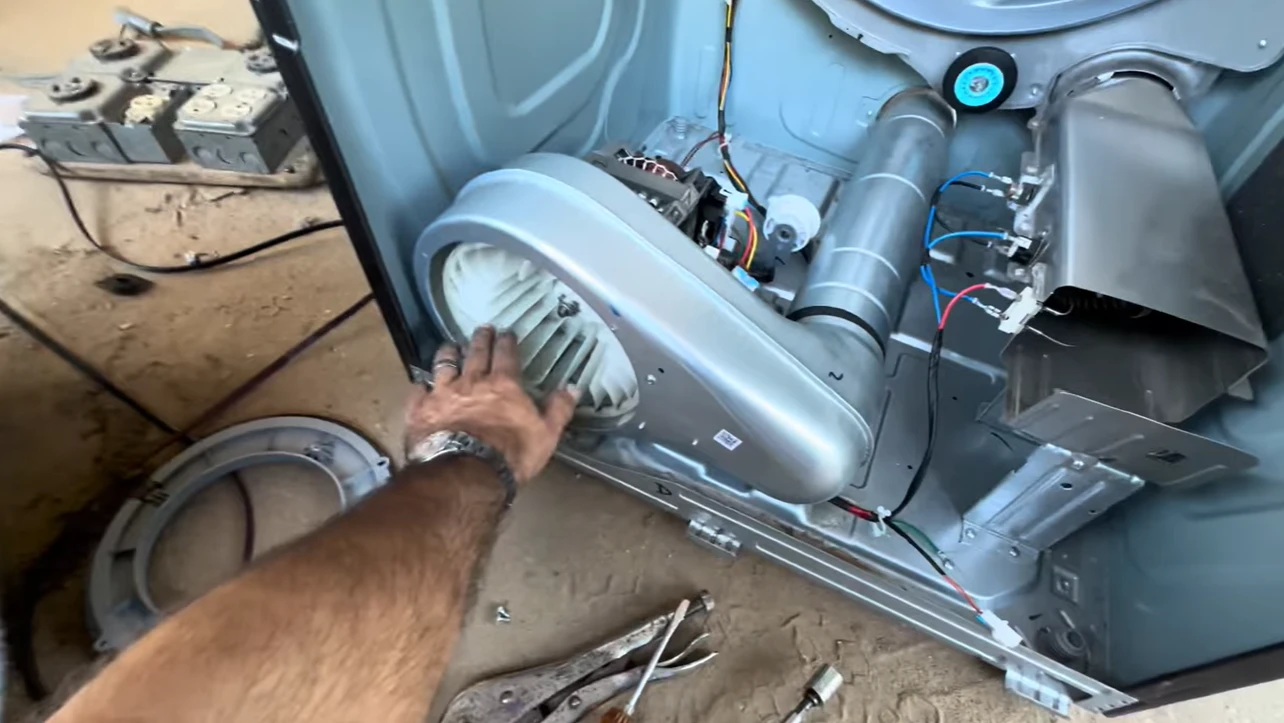
The largest group of Plano homes, about 27 percent, was built in the 1990s, so many dryers sit on 25-to-35-year-old vent runs and wiring. Common problems are long or foil duct, lint-packed housings, 3-prong outlets, tight closets and dryers past their typical 10 to 15 years. A vent check is the best first step.
Key takeaways
- About 27 percent of Plano homes were built in the 1990s, and about half between 1980 and 1999.
- Age shows up in the vent: long runs, foil duct, packed housings and worn hoods.
- Older outlets and terminal connections deserve a look, especially if a plug runs warm.
- A vent check and a dryer check are the best places to start.
Why the 1990s matter in Plano
Plano added a great deal of its housing in the 1980s and 1990s. Census-based figures by ZIP code show the decade breakdown for the city’s roughly 116,000 housing units.
| Decade built | Housing units | Share of Plano’s units |
|---|---|---|
| 1990 to 1999 | 31,869 | About 27 percent |
| 1980 to 1989 | 26,319 | About 23 percent |
| 2000 to 2009 | 18,878 | About 16 percent |
| 2010 to 2019 | 16,312 | About 14 percent |
| 1970 to 1979 | 15,729 | About 14 percent |
How old are most Plano homes?
The largest share of Plano’s housing units, about 27 percent, was built in the 1990s, and about half were built between 1980 and 1999, according to Census-based figures by ZIP code. That means many homes have vent runs and laundry wiring that are now roughly 25 to 45 years old, which is worth knowing when a dryer misbehaves.
Problems that show up in older homes
| Problem | Why it happens | What to do |
|---|---|---|
| Long or bent vent runs | Layouts vary, and some runs go through attics or walls over long distances | Run the ten-minute test, and have the whole run cleared: vent length and bends |
| Thin foil or flexible duct | Foil duct was common and is still found in older homes | Replace crushed or ridged sections with metal: foil vs rigid duct |
| A packed lint housing and hood | Decades of lint, and older hoods that have worn or gained screens | Clear them: lint housing and vent hood |
| 3-prong outlets | Homes built before the mid-1990s often have 3-prong outlets | Check the cord and outlet match: 3-prong vs 4-prong |
| Loose or burned connections | Terminal blocks and plugs loosen and corrode with age | If a plug runs warm, stop: terminal block and power cord |
| A tired dryer | Dryers commonly last about 10 to 15 years | Weigh repair against replacing: calculator |
Do older homes have more dryer vent problems?
They can. Older runs have had more years to collect lint, some were routed long distances through attics or walls, and thin foil duct was common. A hood can also wear or be damaged over the years. None of this is certain for any one home, so test the airflow and have the whole run checked rather than assuming.
What to check first
- Run the ten-minute airflow test and feel the air at the hood.
- Pull the dryer out and check the duct behind it for crushing and loose joints.
- Check the outside hood for damage, a screen and nests.
- Look at the plug and outlet: they should be cool, firm and undamaged.
- Check the dryer’s age on the model tag, and compare it with the 10 to 15 year range.
Should I replace old foil dryer duct?
If it is crushed, torn, brittle or ridged enough to trap lint, yes: replace it with rigid or semi-rigid metal duct. Thin foil is a poor choice for the main run, and it is harder to clean. A short, undamaged flexible connection may be acceptable if the manual allows it, but metal is the better choice.
Is it worth repairing a dryer in a 1990s home?
The home’s age does not decide it. The dryer’s age and the repair do. A small part on a dryer under about 10 to 12 years old is usually worth fixing, and a repair near half a new dryer’s price usually is not. Clear the vent either way, because an old, restricted vent can wreck a new part.
See the vent safety guide and the maintenance checklist.
Sources
- MapOfZipCodes: Plano housing by year built, based on U.S. Census Bureau data
- National Fire Protection Association, Clothes Dryers and Washing Machines fact sheet (2010 to 2014 annual averages)
- Your dryer’s installation and service manual, which governs over any general guidance on this page
- Plano Dryer Pros estimates of typical local repair pricing, checked against national consumer cost guides for context. See our Editorial Policy.
Frequently asked questions
Can I put a new dryer on an old vent?
Often yes, if the run is clear, metal and within the length limits, and the connections are sound. A new dryer on a restricted old vent will struggle, so have the run checked and cleared before the new one goes in.
How do I know if my outlet is 3-prong or 4-prong?
Look at the outlet: three slots mean 3-prong and four slots mean 4-prong. The dryer cord must match. If you are not sure, or the outlet looks scorched, have an electrician check it.
Is a warm dryer plug normal in an older home?
No. A plug or outlet that feels hot can mean a loose or worn connection that can start a fire. Stop using the dryer and have an electrician inspect the outlet and the cord.
Does a 1990s home need a different kind of dryer?
No. The same gas or electric dryers fit, as long as the laundry area has the right supply and a vent to the outside. Match the dryer to what the home has, and check the vent run first.
Where do these housing figures come from?
They are Census-based figures by ZIP code, listed at the bottom of the page. They describe Plano as a whole and say nothing about any one home, so use them as context, not as a diagnosis.
Get your dryer working again
Call and a person will answer, or request a repair online. You get the full price in writing before any work starts.