
Home / Blog / How Plano’s heat and humidity affect your dryer
How Plano’s Heat and Humidity Affect Your Dryer
July highs of about 94 to 96 degrees and humid air change how a dryer lives in Plano. Here is what the climate does, and what to do about it.
Last reviewed October 1, 2026. Written and reviewed by the Plano Dryer Pros team. How we create content
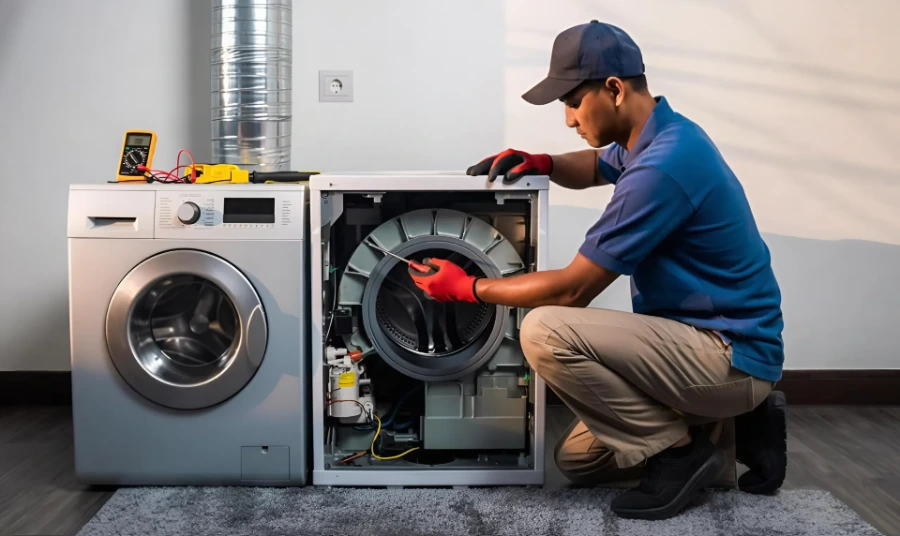
Plano has a humid subtropical climate, with July highs of about 94 to 96 degrees. A dryer draws room air, so hot, humid air can slow drying slightly, and a vent that runs through a hot attic or a hot garage laundry area works harder. Clear airflow matters more in summer, so keep the lint screen and vent clean.
Key takeaways
- Plano summers are hot and humid, with July highs of about 94 to 96 degrees.
- A dryer pulls room air, so a hot, humid laundry room can slow drying a little.
- Vent runs through hot attics and garages need regular checks.
- Clear airflow matters most in summer: clean the lint screen and have the vent checked yearly.
What Plano’s climate looks like
| Measure | Typical value |
|---|---|
| Climate type | Humid subtropical |
| July average high | About 94 to 96 degrees Fahrenheit |
| July average low | About 74 degrees Fahrenheit |
| Storm risk | Severe thunderstorms with hail and wind are possible in North Texas |
Temperatures are typical values from long-term weather records for Plano, and any given summer can run hotter. See the source list at the bottom.
How does Plano’s humidity affect a dryer?
A dryer pulls air from the room, heats it and sends it through the clothes. Humid room air already holds more moisture, so it can take a little longer to dry a load, and the dryer works harder. The effect is modest, and a restricted vent has a far larger effect, so check the vent before blaming the weather.
Where heat makes a difference
| Place | What happens | What to do |
|---|---|---|
| A hot laundry closet or garage | The dryer draws hot air, and the room gets hotter while it runs | Keep the room ventilated and clear around the dryer |
| A vent run through a hot attic | Lint dries out, and a long run can restrict airflow | Have the run checked yearly: vent safety guide |
| A packed lint screen or housing | Heat and lint together raise the fire risk | Empty the screen every load |
| A stuck or damaged hood | Heat and sun can warp a flap | Check it every season: vent hood page |
Is it okay to run the dryer in the summer heat?
Yes. A dryer is designed to run in a normal home, and summer does not stop it working. The dryer adds heat to the room, so run it where the air can circulate, and run it when you can check on it. If the laundry area is very hot or the dryer feels much hotter than usual, check the vent.
Humidity, mildew and smells
Humid air can leave a damp drum or lint housing smelling musty, especially if laundry sits inside. Leave the door open after use, and wipe the drum if you notice a smell. See why a dryer smells musty.
Should I worry about a dryer in a hot garage?
A garage laundry area gets very hot in a Plano summer, which can stress the dryer’s electronics and make the laundry area uncomfortable. It is generally fine if the dryer is vented to the outside and the room has air, but gas appliances in a garage have extra rules, so check the manual and ask a pro about the install.
What to do in summer
- Empty the lint screen every load.
- Run the ten-minute airflow test once a month.
- Have the full vent run checked or cleared before summer, and again if it slows.
- Keep the dryer’s surroundings clear and ventilated.
- Run loads when you can check on the dryer.
Does a hot attic vent run need extra care?
Yes. A long run through a hot attic can collect lint that dries out, and the duct can sag or come apart over the years. It is also harder to inspect. Have the whole run checked at least once a year, replace any crushed or foil sections with metal, and make sure the hood closes properly.
See the maintenance checklist.
Sources
- Weather on This Day: Plano, TX July weather records
- National Fire Protection Association, Clothes Dryers and Washing Machines fact sheet (2010 to 2014 annual averages)
- Your dryer’s installation and service manual, which governs over any general guidance on this page
- Plano Dryer Pros estimates of typical local repair pricing, checked against national consumer cost guides for context. See our Editorial Policy.
Frequently asked questions
Does the dryer use more energy in summer?
Not because of the season, but a restricted vent makes any dryer work harder and use more energy at any time of year. The dryer also adds heat to the home, which the air conditioner then has to remove.
Is a musty smell from my dryer a humidity problem?
Often it is moisture that is trapped: damp laundry left inside, damp lint or a vent that is not carrying humid air out. Clean the drum and housing, check the vent and leave the door open after use.
Should I run the dryer at night in the summer?
Many fire safety guides advise against running a dryer when you are asleep or out. If you do run it at a cooler time of day, stay home and awake, and keep the vent clear.
Do storms affect my dryer?
Hail and wind can damage the outside vent hood, and debris or a nest can block it. Power surges can also affect electronics. See the post on checking your vent hood after a storm.
Where do the climate figures come from?
They are typical values from long-term weather records for Plano, listed at the bottom of the page. A given summer can be hotter or milder, so treat them as typical, not exact.
Get your dryer working again
Call and a person will answer, or request a repair online. You get the full price in writing before any work starts.