
Home / Gas vs electric dryer repair
Gas vs Electric Dryer Repair: Differences, Costs, Safety
The drum, belt and vent are the same. The heat is not. Here is how gas and electric dryers differ when something breaks, and what that means for cost and safety.
Last reviewed October 1, 2026. Written and reviewed by the Plano Dryer Pros team. How we create content
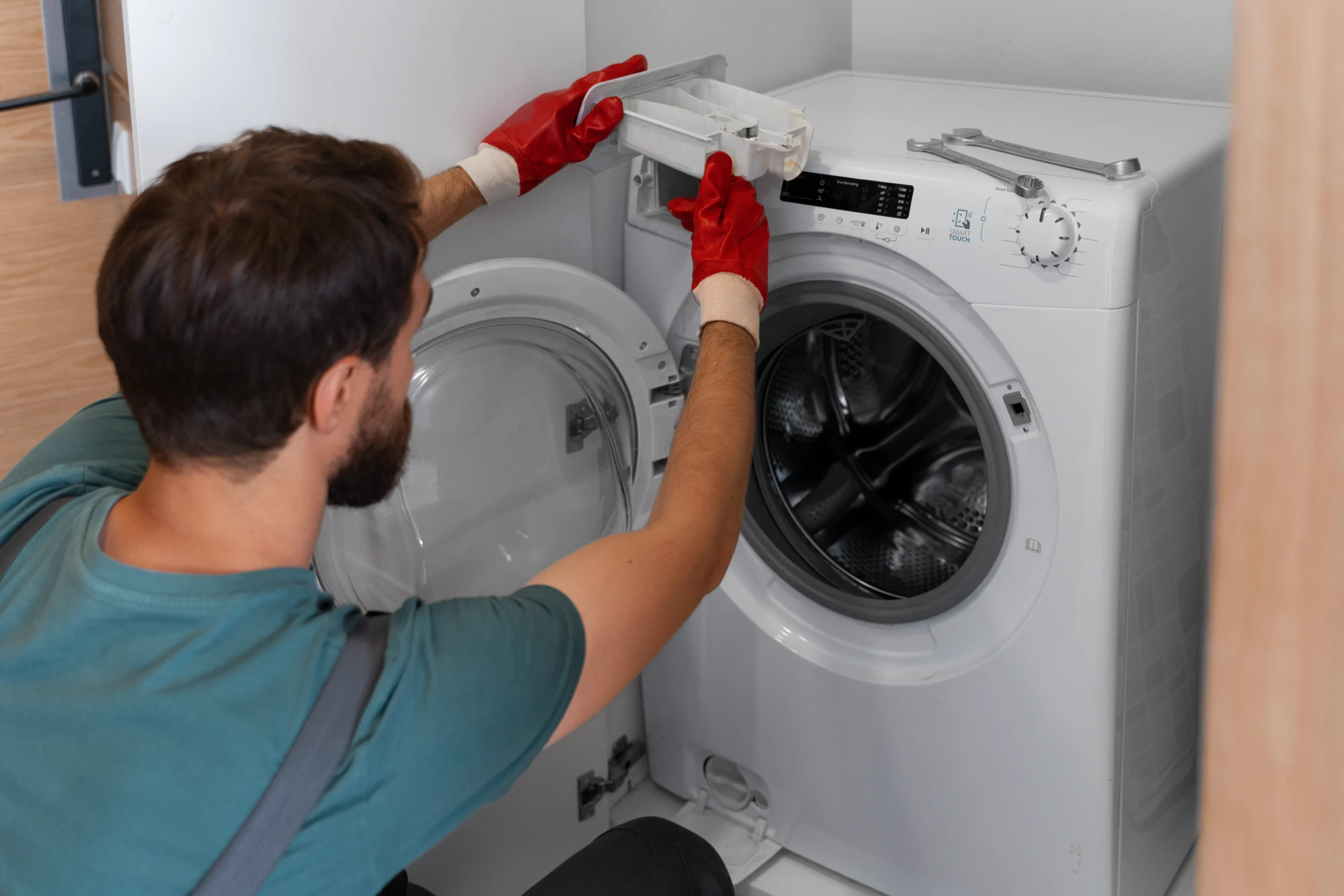
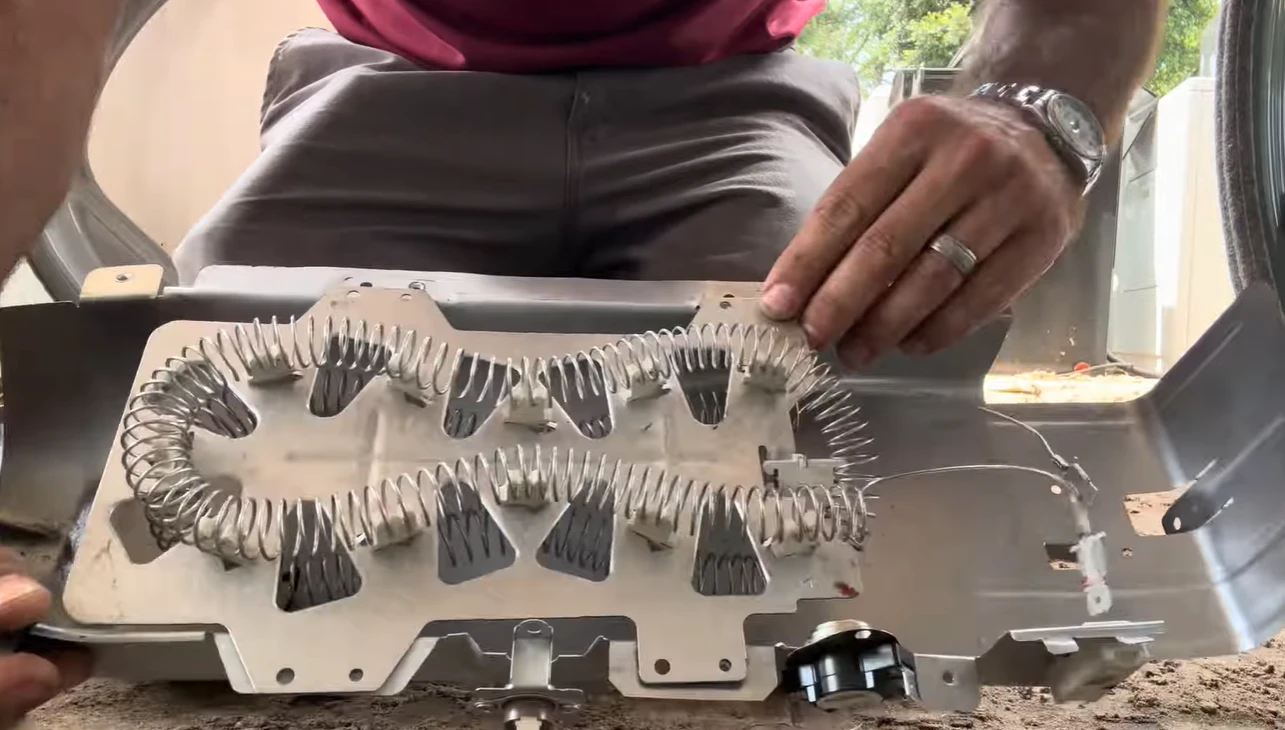
Gas and electric dryers share the drum, belt, motor, switches and vent. They differ in the heat source: an electric dryer uses a heating element on 240 volts, and a gas dryer uses an igniter, valve coils and burner on 120 volts plus gas. Typical repair costs overlap, at about $200 to $375 for the heat parts.
Key takeaways
- Most repairs are identical: belt, motor, switches, rollers and vent.
- Only the heat parts differ: an element for electric, and igniter, coils and burner for gas.
- Typical costs overlap, and the part and model matter more than the fuel.
- The safety risks differ: gas leaks and carbon monoxide, versus 240-volt wiring.
Side by side
| Gas dryer | Electric dryer | |
|---|---|---|
| Heat source | Burner lit by an igniter | Heating element |
| Power needed | Standard 120-volt outlet, plus a gas line | 240-volt outlet on a double breaker |
| Heat parts that fail | Igniter, gas valve coils, flame sensor, burner | Heating element, and the breaker or terminal block |
| Safety parts (both) | Thermal fuse, thermostats, door switch | Thermal fuse, thermostats, door switch |
| Main safety risks | Gas leak, carbon monoxide if the vent is blocked | 240-volt shock, overheated outlet or cord |
| Typical heat repair cost | About $200 to $375 | About $200 to $350 |
| Who fixes the supply side | A licensed plumber | A licensed electrician |
What is the difference between gas and electric dryer repair?
The drum, belt, motor, switches, sensors and vent are the same, so most repairs are identical. The difference is the heat: an electric dryer repairs a heating element on 240 volts, while a gas dryer repairs an igniter, gas valve coils, flame sensor and burner. The supply side differs too, a plumber for gas and an electrician for power.
What is the same
- The drum, rollers, bearing and belt
- The motor and blower wheel
- The thermal fuse and thermostats
- The door switch, start switch and latch
- The moisture sensor and control board
- The vent, lint screen and outside hood
Heat-part failures compared
| What you notice | Electric dryer | Gas dryer |
|---|---|---|
| Runs, no heat | Breaker, thermal fuse, thermostat or element: element guide | Igniter, valve coils, flame sensor or thermal fuse: igniter guide |
| Heat comes and goes | Thermostat, loose terminal or half-tripped breaker: terminal block | Flame sensor, or the high-limit tripping: flame sensor |
| Breaker trips when heat starts | A shorted element or wiring | Not typical: check the 120-volt circuit |
Which is more expensive to repair, gas or electric?
Typical costs overlap. A gas igniter or valve coil repair is about $200 to $375, similar to an electric heating element at about $200 to $350. The price depends on the part and the model rather than the fuel, though a gas dryer has more parts in the heat circuit and diagnosis can take a little longer.
Safety: two different risks
Gas dryers: a leak is the main concern, along with carbon monoxide if the vent is blocked. If you smell gas, leave the house and call 911 and Atmos Energy. See the gas smell guide and the gas dryer FAQ.
Electric dryers: the 240-volt supply is the concern, along with hot plugs and loose connections. Never use an extension cord, and see the electric dryer FAQ.
Which is safer, a gas or an electric dryer?
Both are safe when installed correctly, vented outdoors and kept clean. The risks differ: a gas dryer can leak or release carbon monoxide if the vent is blocked, and an electric dryer carries 240 volts and can overheat at a loose plug or terminal. A clear vent and regular checks matter equally for both.
Venting is the same job
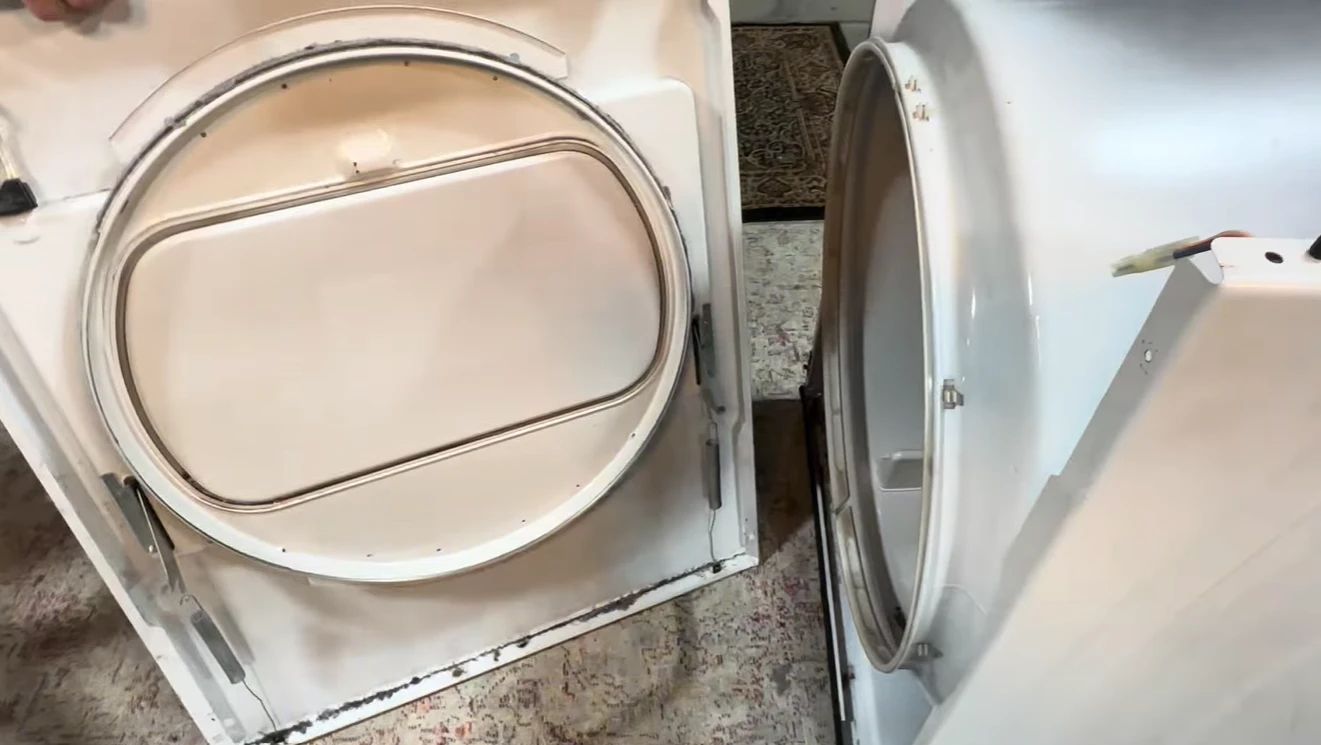
Both must vent outdoors through short, smooth metal duct with no screen on the hood. A gas dryer’s exhaust also carries combustion gases, so a blocked or disconnected vent matters more there. See the vent safety guide.
What it costs in Plano
| Repair | Typical cost (parts and labor) |
|---|---|
| Vent path cleared, airflow restored | $100 to $200 |
| Thermal fuse or thermostat | $150 to $275 |
| Heating element, or gas igniter or coils | $200 to $375 |
| Motor, blower wheel or drum bearing | $300 to $550 |
Typical Plano-area estimates, not a quote, and the same for gas and electric on the shared parts. See the dryer repair cost guide.
Which lasts longer, a gas or an electric dryer?
There is no reliable difference. Dryers commonly last about 10 to 15 years, and what matters most is the brand, how heavily it is used and how well the vent and lint screen are kept clear. Do not choose a fuel type for lifespan alone, and judge a used dryer by its age and condition.
Is a gas dryer cheaper to run than an electric one?
It depends on local gas and electricity prices and on the dryer’s efficiency, so there is no single answer. Gas dryers often cost less per load where natural gas is cheap, but check your own rates. The difference in repair cost between them is small.
How to tell which you have
- Look at the back: a thick cord for a 240-volt outlet means electric, and a normal plug plus a flexible gas line means gas
- Check the model tag inside the door frame, which lists the fuel type
- Look for a gas shutoff valve on the wall behind the dryer
Can I switch from an electric dryer to a gas one?
Only by buying a gas dryer and having a licensed plumber run a gas supply line to the laundry room, so many homes stay with the fuel they have. An electric dryer cannot be converted to gas. If you are replacing a dryer, check that the room has the right supply before you buy.
Sources
- Your dryer’s installation and service manual, which governs over any general guidance on this page
- Plano Dryer Pros estimates of typical local repair pricing, checked against national consumer cost guides for context. See our Editorial Policy.
Frequently asked questions
Do gas and electric dryers use the same belt and motor?
Often the same style, but the exact parts differ by brand and model. Both use a motor to turn the drum and the blower, and a belt and idler pulley. Parts are matched by the full model number, which is on a tag inside the door frame.
Is a gas dryer more likely to have heating problems?
There is no reliable difference. Gas dryers have more parts in the heat circuit, so there are more places for a fault, while electric dryers rely on a single element and the 240-volt supply. Both are often caused by a restricted vent.
Can I use a gas dryer without a gas line?
No. A gas dryer needs a gas supply to heat, and without it the drum will turn but the dryer will not heat. If you have only a 240-volt outlet, you need an electric dryer, or a plumber to add a gas line first.
Does a gas dryer need a special vent?
The same duct rules apply, but the exhaust includes combustion gases, so it must vent outdoors and stay clear. A blocked or disconnected vent can let those gases back into the home, so keep a working carbon monoxide alarm near the bedrooms.
Which should I choose when replacing a dryer?
Usually the one your laundry room is already set up for, because switching needs a gas line or a 240-volt circuit. Consider running costs in your area, and check the model number, warranty and the vent run before you buy.
Where do I read about each type?
See the gas dryer repair page and the electric dryer repair page for the details of each, and the gas and electric FAQs for the common questions about venting, safety, outlets and parts.
Get your dryer working again
Call and a person will answer, or request a repair online. You get the full price in writing before any work starts.