
Home / Guides / Carbon monoxide and gas dryers
Carbon Monoxide and Gas Dryers: What Every Plano Home Should Know
A gas dryer burns fuel, so its exhaust must go outside. Here is how a blocked or damaged vent can let combustion gases into your home, what to watch for and what to do.
Last reviewed October 7, 2026. Written and reviewed by the Plano Dryer Pros team. How we create content
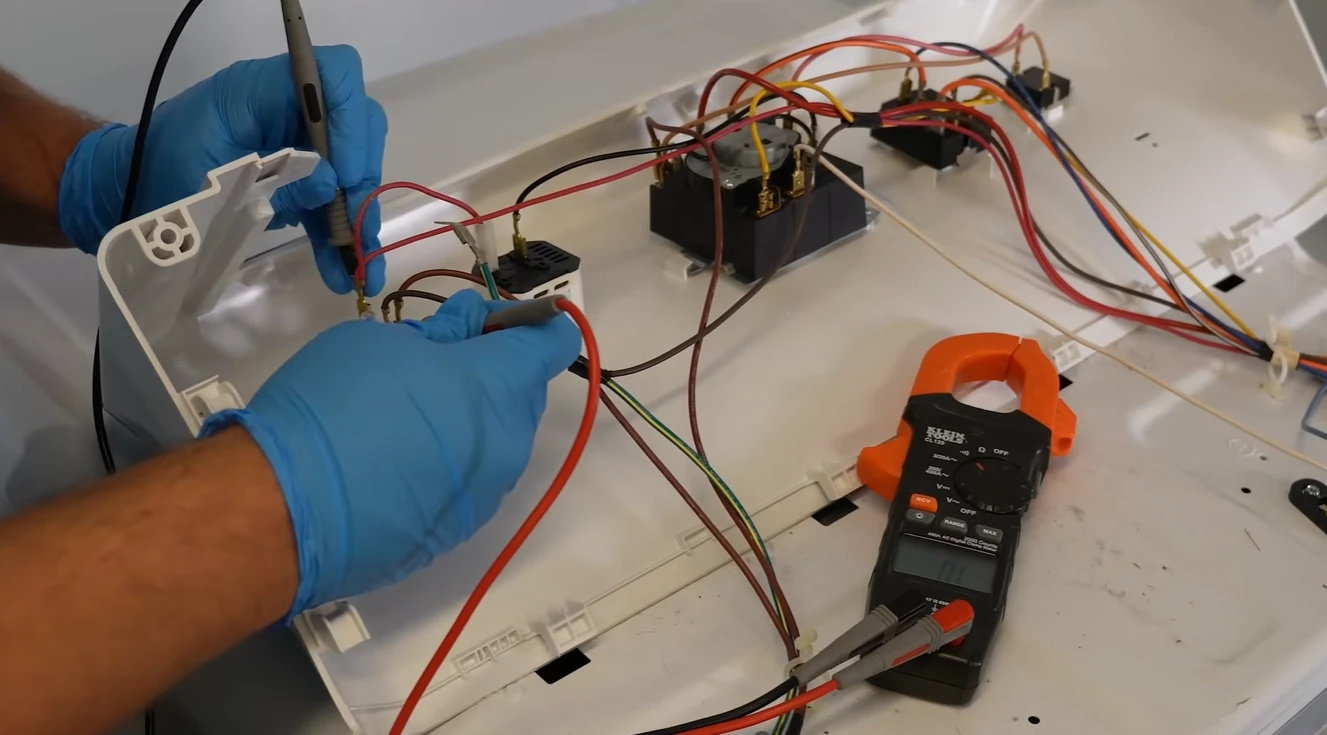
A gas dryer burns natural gas or propane, and its exhaust, which can include carbon monoxide, is meant to leave your home through the vent. A blocked, crushed or disconnected vent can let those gases back in. Keep the vent clear, have it inspected yearly, and install a carbon monoxide alarm near the laundry area.
Key takeaways
- Gas dryers produce combustion gases, including carbon monoxide, that must be vented outside.
- A blocked, crushed, leaking or disconnected vent is how exhaust can reach living space.
- Electric dryers do not burn fuel, but a blocked vent is still a fire risk.
- If a carbon monoxide alarm sounds, get everyone outside and call 911.
How a gas dryer vents its exhaust
A gas dryer heats air with a burner. The same air stream carries moisture, lint and the products of burning gas out of the drum, through the vent and outside. Carbon monoxide is one of those combustion products. It is colorless, odorless and tasteless, so you cannot detect it without an alarm. An electric dryer heats with an element and does not burn fuel, so it has no combustion gases, though its vent still needs to stay clear.
Can a gas dryer cause carbon monoxide poisoning?
It can, if the exhaust cannot leave the home. A gas dryer’s exhaust includes combustion gases. When the vent is blocked, crushed, leaking or disconnected, those gases can enter the laundry room and living space. A working vent and a carbon monoxide alarm are the protection.
How exhaust gets into the home
| What goes wrong | Why it matters | What to do |
|---|---|---|
| A lint-clogged vent | Airflow stops and exhaust backs up into the dryer and the room | Clear the whole run: vent cleaning |
| A crushed or kinked duct behind the dryer | The exhaust cannot flow out | Pull the dryer out carefully and check the duct |
| A disconnected or leaking joint | Exhaust escapes inside the wall, attic or room | Reconnect it, with metal clamps and foil tape as the manual directs |
| A blocked outside hood or an animal nest | The path outside is closed | Clear the hood and check the flap opens freely |
| A very long or many-bend vent run | Weak airflow and lint build-up | Check the manual’s maximum vent length |
| Plastic or thin foil duct | It can sag, trap lint and burn through | Replace it with metal duct |
What are the warning signs of a vent problem?
Clothes taking longer to dry, a dryer that feels very hot, a laundry room that is humid or smells of exhaust, weak air at the outside hood, and a carbon monoxide alarm sounding. The first signs are often long drying times, so treat those as a safety warning, not just an inconvenience.
If a carbon monoxide alarm sounds or you feel unwell
- Get everyone, including pets, outside into fresh air right away
- Call 911 from outside
- Then call Atmos Energy at 866.322.8667 about gas appliances
- Do not go back inside until emergency responders say it is safe
- Seek medical help for headache, dizziness, nausea, confusion or unusual tiredness, especially if several people feel it at once
- Do not use the dryer again until the vent and the dryer have been checked
If you smell gas rather than hear an alarm, the steps are different: see what to do if you smell gas near a dryer.
What should I do if my carbon monoxide alarm goes off?
Get everyone outside into fresh air immediately, then call 911 from outside. Also call your gas utility, Atmos Energy at 866.322.8667. Do not re-enter until responders say it is safe, and do not use the dryer again until the vent and appliance have been checked.
How to protect your home
- Install carbon monoxide alarms as the alarm maker directs, near sleeping areas and near the laundry area, and test them regularly
- Have the dryer exhaust duct inspected and cleaned at least once a year; the Chimney Safety Institute of America recommends a yearly professional inspection
- Clean the lint screen after every load
- Use rigid or semi-rigid metal duct, not plastic or thin foil, and keep the run as short and straight as the manual allows
- Check the outside hood every season and after storms, and make sure the flap opens
- Never vent a dryer into an attic, crawl space or garage
- Have gas connections and the burner checked by a qualified technician if you notice anything unusual
How often should a gas dryer’s vent be inspected?
At least once a year, and sooner if drying times grow, the dryer gets very hot, or the home has had storms, pests or work on the roof. Use the 10-minute vent test between inspections: weak air at the outside hood means the vent needs attention.
When to call Plano Dryer Pros
Call us for slow drying, a very hot dryer, a gas dryer that will not light, or a vent you suspect is damaged. We check the vent path first, then the dryer. See the vent cleaning page, the emergency repair page and the typical costs in the cost guide. In an emergency, call 911 first. We are not a gas utility or an emergency service.
Do you inspect dryer vents and gas dryers?
Yes. We check the vent path first, then the dryer itself, and give you the price in writing before any work starts. In an emergency, such as an alarm or a gas smell, leave the home and call 911 and your gas utility first.
Sources
- Chimney Safety Institute of America guidance on clothes dryer exhaust ducts, fire and carbon monoxide
- Appliance Parts Pros: how gas dryers can allow carbon monoxide into a home
- National Fire Protection Association, Clothes Dryers and Washing Machines fact sheet
- Atmos Energy gas emergency guidance (866.322.8667)
- Your dryer’s installation and service manual, and local building codes, which govern over any general guidance on this page
- Plano Dryer Pros estimates of typical local repair pricing. See our Editorial Policy.
Frequently asked questions
Is an electric dryer safer than a gas dryer?
An electric dryer has no combustion gases, so it cannot cause carbon monoxide. But a blocked vent is still a fire risk on any dryer, so every dryer vent needs yearly care.
Does a long drying time mean carbon monoxide?
Not by itself. It means airflow is restricted, which is the condition that can let exhaust back into the home on a gas dryer. Treat it as a warning and check the vent.
Where should I put a carbon monoxide alarm?
Follow the alarm maker’s instructions. As a rule, put alarms near sleeping areas and on each level of the home, and consider one near the laundry area.
Can I clean the vent myself?
Often, yes, with the dryer unplugged and the gas valve closed. Long runs, roof vents and anything you cannot see are better done by a professional.
Get your dryer working again
Call and a person will answer, or request a repair online. You get the full price in writing before any work starts.