
Home / Blog / Dryer vent fires: what the NFPA data shows
Dryer Vent Fires: What the NFPA Data Shows
The numbers behind dryer fires are clear, and so is the cause. Here is what the NFPA data show, what they mean and the habit that matters most.
Last reviewed October 1, 2026. Written and reviewed by the Plano Dryer Pros team. How we create content
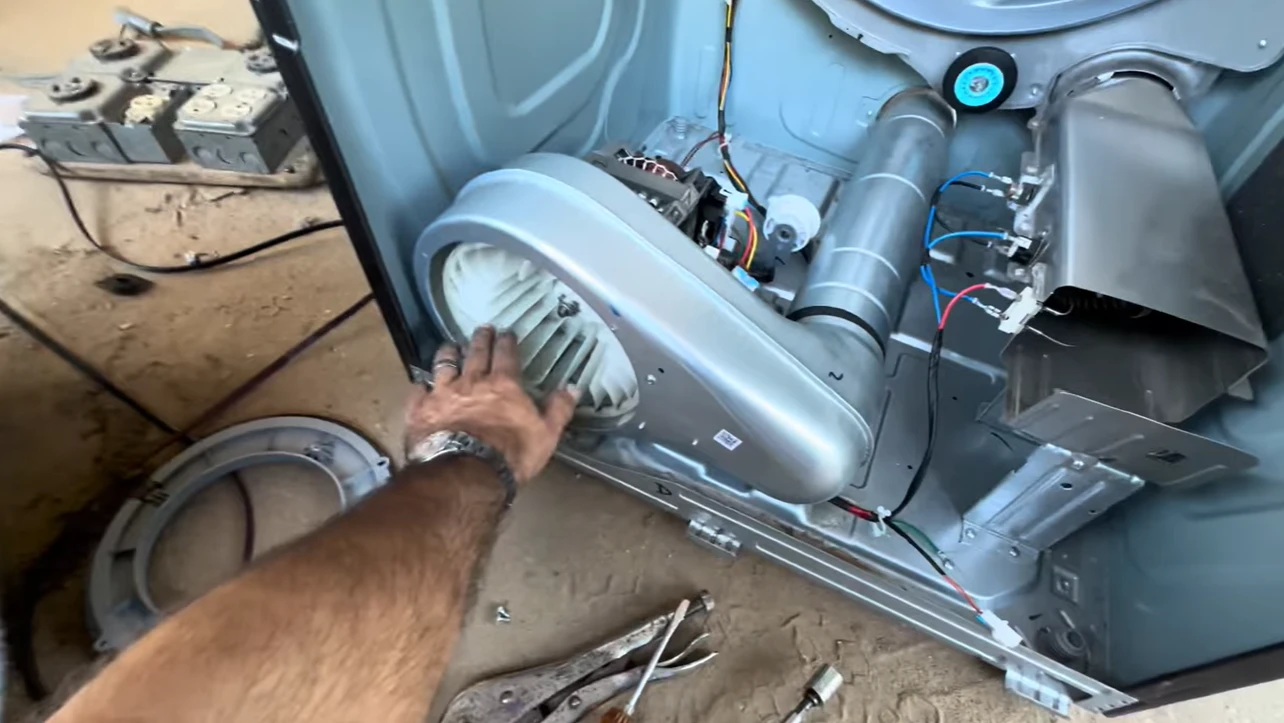
NFPA data for 2010 to 2014 show about 15,970 home fires a year involving clothes dryers or washing machines, and 92 percent of those involved dryers. Failure to clean was the leading cause, at 31 percent, and lint or dust was first ignited in 27 percent. The fix is simple: keep the lint screen and vent clear.
Key takeaways
- About 15,970 home fires a year (2010 to 2014 average) involved dryers or washing machines.
- 92 percent of those involved dryers, not washers.
- Failure to clean was the leading cause, at 31 percent.
- Dust, fiber or lint was the first item ignited in 27 percent of the fires.
The key numbers
| Measure | NFPA figure (2010 to 2014 annual average) |
|---|---|
| Home fires involving dryers or washing machines | About 15,970 a year |
| Share involving dryers | 92 percent |
| Leading cause | Failure to clean, at 31 percent |
| Share where dust, fiber or lint was first ignited | 27 percent |
These figures are annual averages for 2010 to 2014 from the NFPA’s clothes dryers and washing machines fact sheet. Later years may differ, and you can read the source on the NFPA site.
How many dryer fires are there each year?
NFPA data for 2010 to 2014 show an average of about 15,970 home fires a year involving clothes dryers or washing machines, and 92 percent of those involved dryers. Later years may differ, so check the NFPA for the most recent figures. The cause that stands out in the data is failure to clean.
What the numbers mean
Lint is fuel, and a restricted vent turns an ordinary dryer into a hot one. The data say that failure to clean, which includes the lint screen, the housing and the vent, is the single biggest cause, and that lint or dust is what catches fire first in more than a quarter of cases. That is why cleaning is the one habit that matters most.
What is the leading cause of dryer fires?
Failure to clean, according to NFPA data, at 31 percent of home dryer and washer fires in 2010 to 2014. That covers the lint screen, the lint housing and the vent duct. Dust, fiber or lint was also the first item ignited in 27 percent of the fires, which is why a clear screen and vent matter so much.
What to do about it
- Empty the lint screen every load.
- Check the outside hood every season and after storms.
- Run the ten-minute airflow test if drying slows.
- Have the full vent run checked or cleared about once a year.
- Never ignore a burning smell: stop the dryer and unplug it.
How can I lower my risk of a dryer fire?
Clean the lint screen every load, keep the vent short, smooth and metal, check the hood each season and have the full vent run cleared about once a year. Do not run the dryer when you are out, and stop at once if you smell burning. These steps address the causes that dominate the data.
Where the data come from
The figures are from the National Fire Protection Association, which compiles home fire statistics from fire department reports. They are national averages, not Plano-specific numbers. See the vent safety guide, the cleaning guide and the maintenance checklist.
Are these numbers specific to Plano?
No. They are national averages from the NFPA, based on fire department reports across the country. They show the pattern, failure to clean and lint as fuel, which applies to any home. For local fire safety advice, check with the Plano Fire-Rescue Department.
Sources
- National Fire Protection Association, Clothes Dryers and Washing Machines fact sheet (2010 to 2014 annual averages)
- Your dryer’s installation and service manual, which governs over any general guidance on this page
- Plano Dryer Pros estimates of typical local repair pricing, checked against national consumer cost guides for context. See our Editorial Policy.
Frequently asked questions
Are gas dryers more likely to start fires?
The NFPA figures cover dryers as a group, and the lint and heat risk is the same for gas and electric. A gas dryer adds a carbon monoxide risk if the vent is blocked. The steps to reduce risk are the same for both.
Do washing machines cause these fires too?
The figures combine dryers and washers, but 92 percent of the fires involved dryers, so the risk lies mostly with dryers. A washer has no heater or vent, which is why the dryer is the focus.
Is the data recent?
The figures here are the 2010 to 2014 annual averages from the NFPA fact sheet. The NFPA publishes updates, so check its site for the latest numbers. The causes have stayed broadly consistent.
Does cleaning the vent really prevent fires?
It addresses the leading cause in the data, because it removes the fuel and restores airflow so the dryer runs cooler. It does not remove every risk, so keep the other safety parts working and never bypass them.
How often should the vent be cleaned?
Empty the lint screen every load, check the hood every season, and have the full vent run checked or cleared about once a year, more often with a large household, a long run or many bends.
Get your dryer working again
Call and a person will answer, or request a repair online. You get the full price in writing before any work starts.