
Home / Blog / Who pays for dryer repair in a Texas rental?
Who Pays for Dryer Repair in a Texas Rental?
The lease usually decides, and Texas law adds a rule for health and safety. Here is how the two fit together, in plain English. This is general information, not legal advice.
Last reviewed October 1, 2026. Written and reviewed by the Plano Dryer Pros team. How we create content
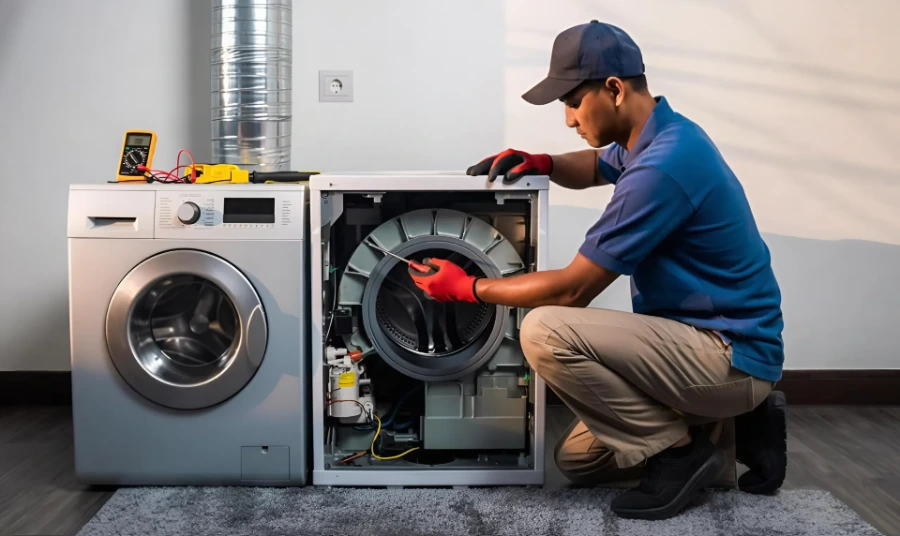
Who pays for a rental dryer repair depends first on the lease and who owns the dryer. Texas Property Code section 92.052 also requires a landlord, after notice, to repair conditions that materially affect a tenant’s health or safety. A dryer that will not heat usually is not one, but a gas leak can be. This is not legal advice.
Key takeaways
- The lease and who owns the dryer decide most dryer repair questions.
- Texas law requires repair of conditions that materially affect health or safety, after notice.
- A dryer that simply will not heat is usually a lease question, and a gas leak or electrical hazard is a safety question.
- Report problems in writing, keep records, and ask a lawyer or tenant resource about your case.
Start with the lease and the dryer’s owner
| Situation | Who usually decides |
|---|---|
| The landlord provided the dryer as part of the rental | The lease, which often makes the landlord responsible for provided appliances |
| The tenant owns the dryer | The tenant pays for repairs to their own dryer |
| The lease is silent about the dryer | What the landlord and tenant agree, so get it in writing |
| A tenant damaged the dryer through misuse | The lease and Texas law, which separate damage from normal wear |
Who pays for dryer repair in a Texas rental?
It depends first on the lease and on who owns the dryer. If the landlord provided it, the lease usually makes the landlord responsible, and if the tenant owns it, the tenant pays. Texas law adds a rule for conditions that affect health or safety. Check the lease, report problems in writing, and ask a lawyer about your case.
What Texas Property Code section 92.052 says
Section 92.052 says a landlord must make a diligent effort to repair or remedy a condition if the tenant gives notice, the tenant is not delinquent in rent when notice is given, and the condition materially affects the physical health or safety of an ordinary tenant. The landlord generally has no duty to repair a condition caused by the tenant, a family member or a guest, unless it is normal wear and tear. Notice must be in writing only if the lease is written and requires it.
| Requirement | What it means in plain English |
|---|---|
| Notice | The tenant tells the landlord about the condition, in writing if the lease requires it |
| Rent | The tenant is not behind on rent when notice is given |
| Health or safety | The condition materially affects the physical health or safety of an ordinary tenant |
| Cause | The landlord generally need not repair damage the tenant or a guest caused, other than normal wear |
What does Texas Property Code section 92.052 require of landlords?
After notice from a tenant who is not behind on rent, a landlord must make a diligent effort to repair a condition that materially affects the physical health or safety of an ordinary tenant. There is generally no duty for damage caused by the tenant or a guest, other than normal wear.
Is a broken dryer a health or safety condition?
A dryer that will not heat or will not start is usually an inconvenience and a lease question, not a health or safety condition. A gas smell, a hot or scorched outlet, sparking, or smoke are hazards, and those can be. If you smell gas, leave the house and call 911 and Atmos Energy at 866.322.8667. Then tell the landlord in writing.
| What the dryer does | Likely category |
|---|---|
| Will not heat or will not start | A repair under the lease |
| Takes two cycles to dry | A repair under the lease, and a vent check |
| Smells of gas | A safety emergency: leave and call 911 and the gas utility |
| A burning smell, a hot plug or sparking | A safety hazard: stop using it and report it at once |
Does the landlord have to fix a rental dryer that will not heat?
Usually that is a question for the lease, not Texas’s health and safety rule, because a dryer that will not heat is generally not a condition that materially affects health or safety. If the landlord provided the dryer, the lease often covers it, so ask in writing.
What to do
- Read the lease for anything about appliances, repairs and notice.
- Report the problem in writing, with the date, a description and a photo of the model tag.
- Keep copies of every message and reply.
- For a safety hazard, stop using the dryer, leave for gas, and report it at once.
- If the landlord does not respond, ask a lawyer or a local tenant resource, because remedies have notice rules.
How should a tenant report a broken dryer?
In writing, with the date, a clear description of what it does, a photo of the model tag and any photos of the problem, and keep a copy. If the lease is written and requires written notice, follow it exactly. For a safety hazard, stop using the dryer, leave the house for gas, and report it at once.
See the renters and landlords FAQ and the landlord and property manager page. This post is general information, not legal advice, and the law can change.
Can a Texas tenant repair a landlord’s dryer and deduct the cost?
Texas has a procedure for repair and deduct, with strict notice and conditions, and it applies to conditions that affect health or safety, not to every appliance. Do not deduct from rent without checking the statute and your lease with a lawyer or tenant resource, because getting it wrong can put you in default.
Sources
- Texas Property Code, section 92.052: Landlord’s Duty to Repair or Remedy (Texas Legislature)
- Texas Property Code section 92.052, text summary
- Your dryer’s installation and service manual, which governs over any general guidance on this page
- Plano Dryer Pros estimates of typical local repair pricing, checked against national consumer cost guides for context. See our Editorial Policy.
Frequently asked questions
Is a dryer an appliance the landlord must provide in Texas?
Not by default. Whether a landlord provides a dryer is a matter of the lease and the agreement. If the dryer is provided, the lease usually covers repairs. Ask in writing if it is unclear.
What if the lease says the tenant pays for appliance repairs?
Then the lease usually governs for a non-safety repair, though a lawyer can tell you about any limits. A health or safety condition is treated separately under Texas law.
Does the tenant have to give written notice?
Under section 92.052, notice must be in writing only if the lease is written and requires written notice. Writing is the wise choice either way, because it creates a record.
What if I caused the damage?
The landlord generally has no duty to repair damage caused by the tenant, a family member or a guest, other than normal wear. Be honest when you report it.
Where can I find the law itself?
The Texas Legislature publishes the Property Code online, and the link to section 92.052 is at the bottom of this page. A lawyer or tenant resource can explain how it applies.
Get your dryer working again
Call and a person will answer, or request a repair online. You get the full price in writing before any work starts.