
Home / Noisy dryer
Noisy Dryer Repair: Squealing, Thumping, Grinding
Squeal, thump, rumble or rattle: the sound tells you which part is wearing out. Match the noise to the likely cause before you call.
Last reviewed September 30, 2026. Written and reviewed by the Plano Dryer Pros team. How we create content
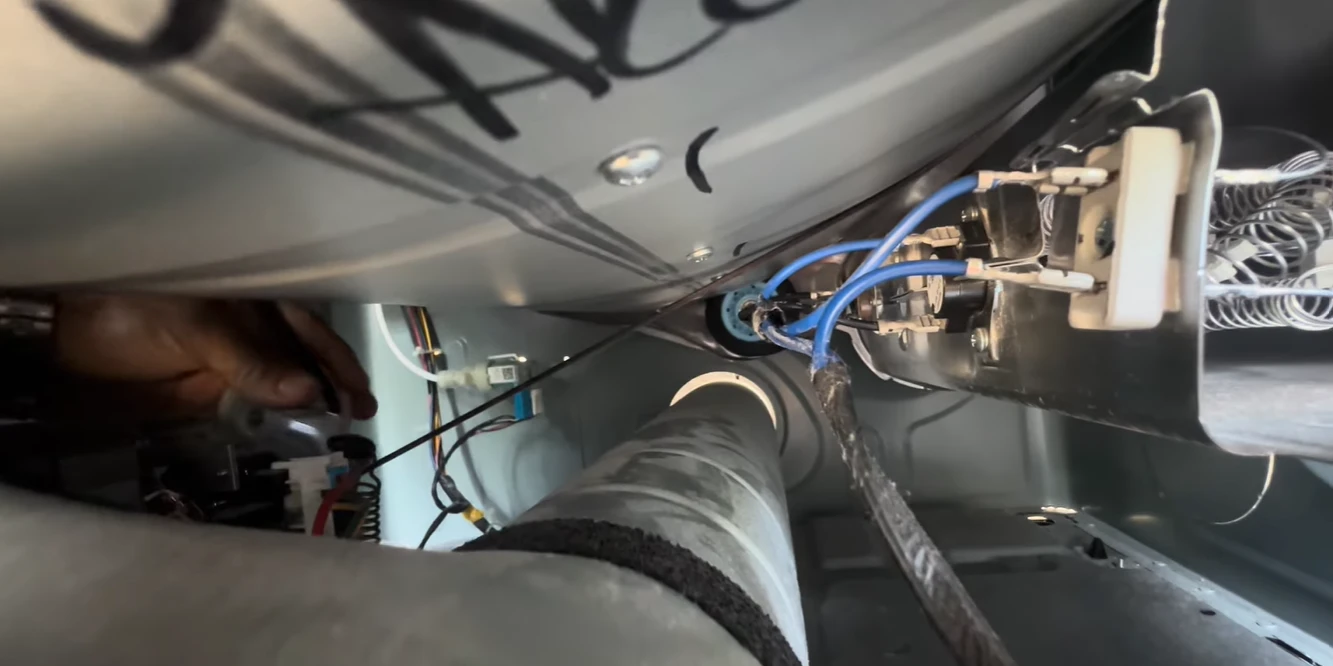
A noisy dryer is almost always telling you which part is wearing out. A squeal usually means the idler pulley or belt, thumping means worn drum rollers or a flat spot on the belt, grinding points to a bearing or motor, and rattling is often a coin or zipper. Stop using a grinding dryer and call.
Key takeaways
- Squealing is usually the idler pulley or the drive belt.
- Thumping points to worn drum rollers or glides, or a belt with a flat spot.
- Grinding or rumbling means a worn bearing or motor. Stop using the dryer.
- Rattling is often a coin, zipper or loose panel. Check the drum first.
Match the sound to the likely cause
Different parts make different noises as they wear. Find the sound closest to yours, note when it happens, and read the matching section below.
| Sound | When you hear it | Likely cause | First check |
|---|---|---|---|
| High squeal or chirp | At startup or the whole cycle | Idler pulley, drive belt or a motor bearing | Does it change with load or heat? |
| Rhythmic thump | Once per turn of the drum | Worn drum rollers or glides, or a flat spot on the belt | Is the dryer level? Does it thump when empty? |
| Low rumble or grinding | Whole cycle, worse over time | Worn rear drum bearing or motor bearing | Stop using it and unplug it |
| Rattle or clatter | Random, often early in the cycle | A coin, key, zipper or button, or a loose panel | Empty pockets, check the drum and lint housing |
| Scraping, metal on metal | Constant while the drum turns | Drum rubbing a seal or glide, or a blower wheel hitting its housing | Stop using it and unplug it |
| Loud hum, drum not turning | At startup | Motor working against a seized part | See the won’t-start guide |
Squealing: the idler pulley and the belt
The drive belt loops around the drum and the motor pulley and is held tight by a spring-loaded idler pulley. When the pulley bearing dries out, or the belt glazes and stretches, the dryer squeals, often for the whole cycle and louder when warm.
Why is my dryer squealing?
The usual causes are a dry idler pulley bearing, a glazed or worn belt, or a failing motor bearing. The squeal often starts at startup or rises with heat. Because a snapped belt or seized pulley can stop the drum, it is better to replace the worn part than to keep running it.
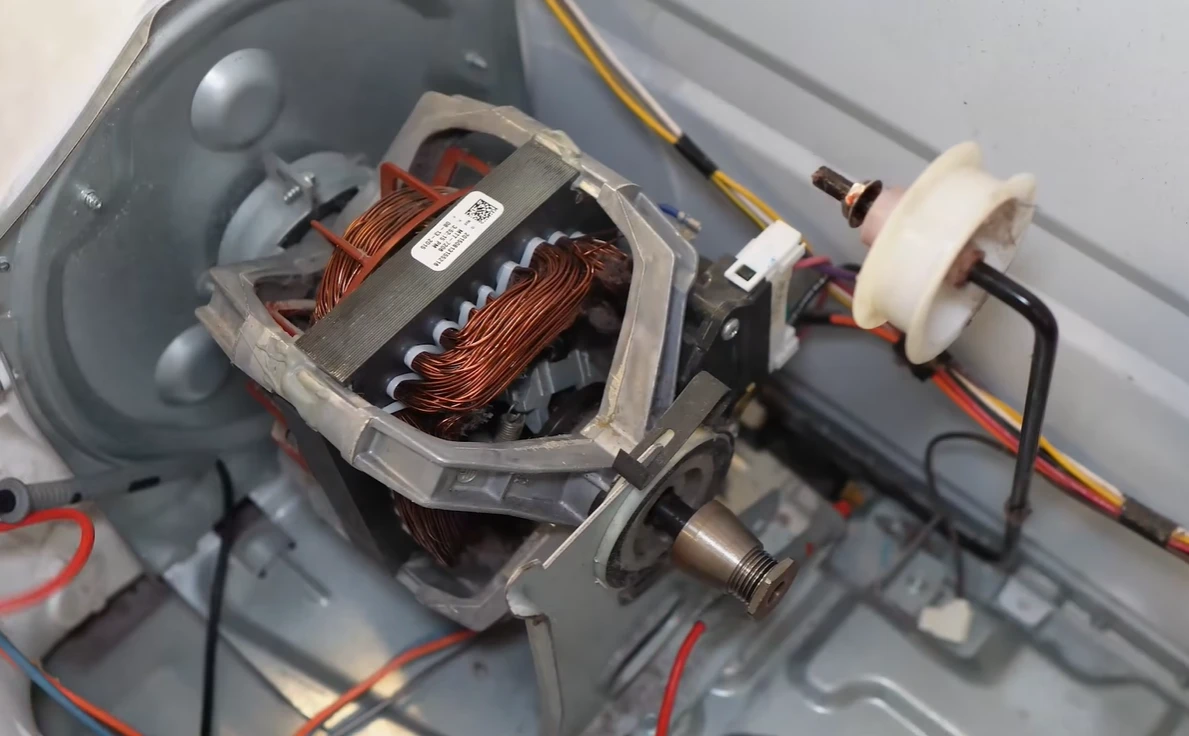
Replace a squealing belt or pulley early. A belt that snaps stops the drum, and a seized pulley can tear a new belt apart. Because most of the labor is opening the cabinet, the belt and idler pulley are often replaced together.
Thumping: drum rollers, glides and the belt
The drum rides on rollers or glides. When a roller wears a flat spot or a glide wears through, the drum drops slightly once per turn and you hear a thump that matches the rotation. A belt with a flat spot does the same, and wet, heavy loads make it louder.
Why does my dryer thump?
A rhythmic thump that matches the turning of the drum points to worn drum rollers or glides, or a belt with a flat spot. First check that the dryer is level and the load is not balled up on one side. If it thumps when empty, the parts are wearing.
Grinding and rumbling: bearings and the motor
A low rumble or grind that gets worse over time usually means a worn rear drum bearing or a failing motor bearing. Metal is wearing on metal, which creates heat and can damage the drum or the motor.
Is a grinding dryer dangerous to keep using?
Grinding usually means a worn drum bearing or motor bearing. Metal on metal generates heat and can damage the drum or motor, and a seized part can overheat. Stop using the dryer, unplug it, and have it checked rather than running it until it fails.
Rattling: objects, panels and the blower
Rattles are usually the cheapest noise to solve. Coins, keys, zippers, buttons and underwire can fall into the drum or behind the lint screen housing. A loose panel or screw can also buzz, and lint packed around the blower wheel can make it scrape.
Why does my dryer rattle?
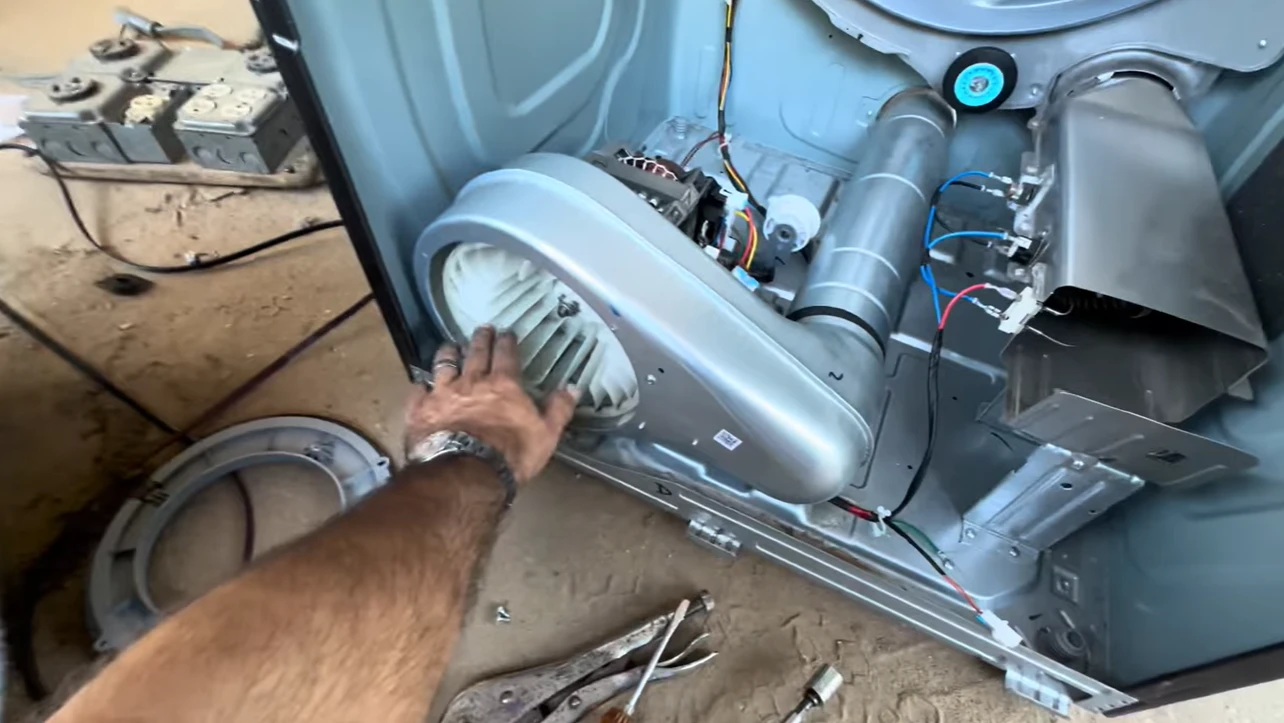
Loose objects are the most common cause: coins, keys, zippers, buttons or underwire caught in the drum or behind the lint screen housing. Less often it is a loose panel, screw or blower wheel. Empty the drum, check the lint trap area, and listen again before assuming a failed part.
When to stop using a noisy dryer
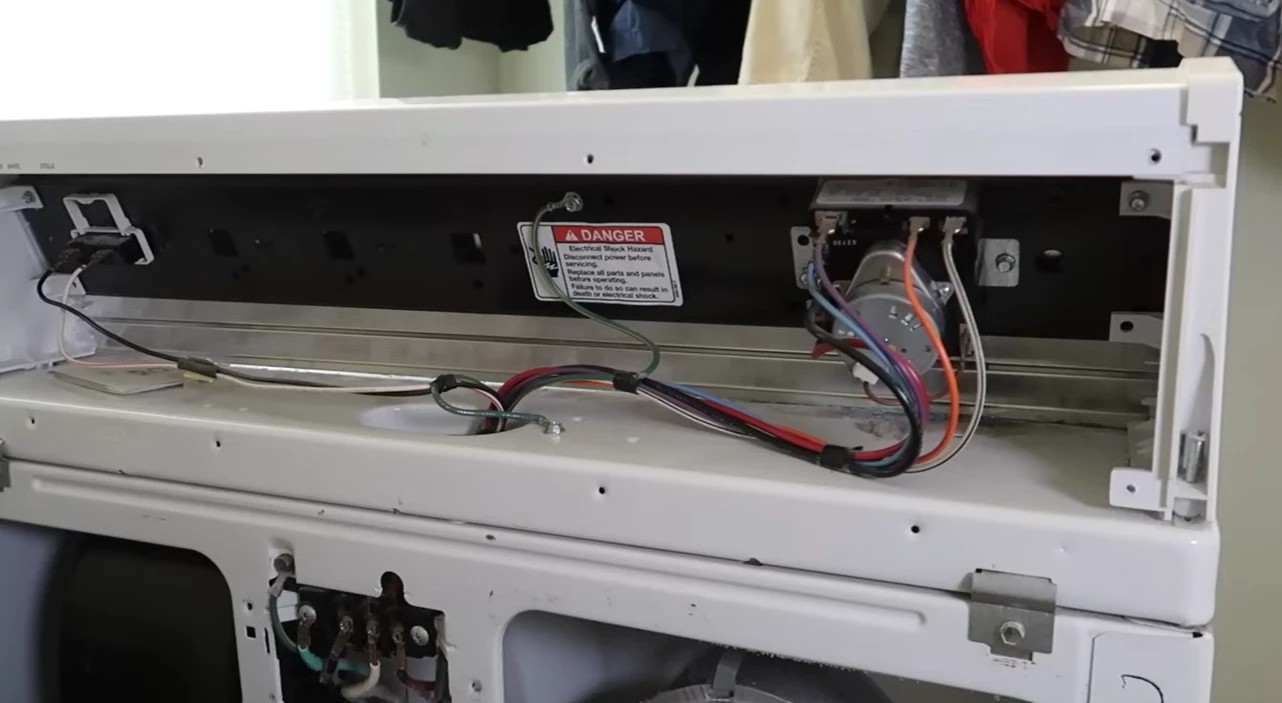
Turn it off and unplug it, or switch off the breaker, then call. Stop at once if you notice any of these:
- Grinding, scraping or metal-on-metal sounds
- A burning smell along with the noise (see dryer smells like burning)
- The drum stops turning while the motor keeps running
- The dryer is hot to the touch, or the breaker trips
What you can check yourself
- Empty every pocket and look inside the drum for loose objects
- Clean the lint screen and the housing around it
- Check that the dryer is level and all four feet touch the floor
- Run it empty and note exactly when the noise happens
Can I fix a noisy dryer myself?
Emptying pockets, cleaning the lint screen housing and leveling the dryer are safe DIY checks. Replacing a belt, pulley, roller or bearing means opening the cabinet, working around sharp edges and, on gas dryers, near gas parts. If the noise continues after the simple checks, have a technician diagnose it.
What noisy dryer repairs cost in Plano
| Repair | Typical cost (parts and labor) |
|---|---|
| Belt, idler pulley or drum rollers | $200 to $375 |
| Drum bearing, motor or blower wheel | $300 to $550 |
| Loose object removed or dryer leveled | Usually little or nothing beyond any service call fee |
These are typical Plano-area estimates, not a quote, so ask for your exact price in writing. See the full dryer repair cost guide, and the repair or replace guide if the dryer is over about 10 years old.
Sources
- Your dryer’s installation and service manual, which governs over any general guidance on this page
- Plano Dryer Pros estimates of typical local repair pricing, checked against national consumer cost guides for context. See our Editorial Policy.
Frequently asked questions
How much does it cost to fix a noisy dryer?
Most noise repairs are belt, pulley or roller jobs, which typically run about $200 to $375 in the Plano area. Bearings, motors and blower wheels cost more, roughly $300 to $550. A rattle from a coin costs little. The exact price depends on the model and should be in writing first.
What noise does a breaking dryer belt make?
Early signs are a squeal or chirp that changes with the load, a thumping as the belt stretches or cracks, and a burning-rubber smell. When the belt breaks, the drum stops turning while the motor may still run and hum. Replace a worn belt before it breaks.
Why does my dryer squeal only at the start?
A squeal that fades after a minute often points to a dry idler pulley or motor bearing that loosens as it warms, or a belt that is stiff when cold. It usually comes back louder, so treat it as an early warning and have it checked.
Should the belt and idler pulley be replaced together?
Often yes. The pulley and belt wear together, and a worn pulley will chew through a new belt. Since most of the labor is opening the dryer, replacing both at once usually saves a second visit. A technician can check the pulley for wobble or roughness first.
Is a loud dryer worth repairing?
Usually, if the dryer is under about 10 to 12 years old and the fix is a belt, pulley or rollers. If the drum bearing, motor and other parts are all worn, the repair can approach the cost of a new dryer. See the repair or replace guide for the half-price rule.
Can a clogged vent make a dryer louder?
Yes. A restricted vent makes the blower work harder and can make the dryer hum or whistle, and lint packed around the blower wheel can cause rattling or scraping. If the noise comes with slow drying, run the ten-minute vent test before replacing parts.
Get your dryer working again
Call and a person will answer, or request a repair online. You get the full price in writing before any work starts.